••
Valerie Bli Lou spends $4,275 on lavish Ivory Coast funeral
•2 min read•1 source
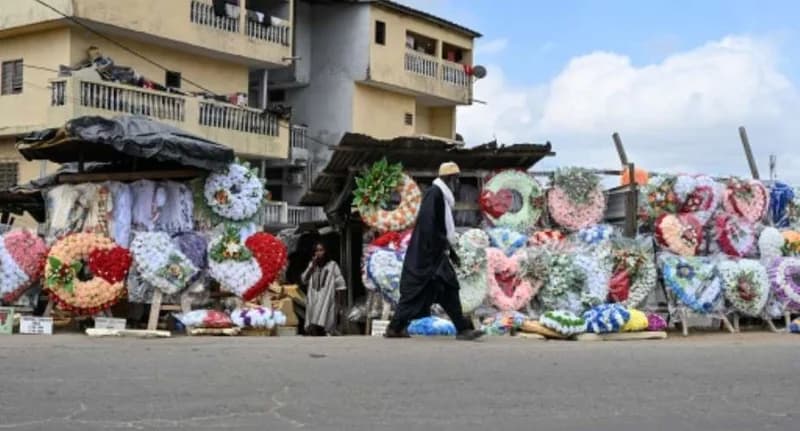
Valerie Bli Lou, a shopkeeper from a modest family in Ivory Coast, has spent over 2.5 million CFA francs ($4,275) to organize a traditional, lavish funeral for her late father. The ceremony, held in the Yopougon neighborhood of Abidjan, highlights a deep-seated cultural expectation in the West African nation where the cost of death often far exceeds the financial capacity of the living. For many families, these elaborate rites are seen as a non-negotiable duty to honor the deceased and uphold social standing.
Despite her modest background, Bli Lou expressed a sense of pride and obligation in honoring her father with a celebration of this magnitude. The total expenditure represents a sum vastly higher than the average monthly salary in Ivory Coast, emphasizing the extreme financial strain such traditions place on citizens. At her father’s wake, Bli Lou shared that while the costs were a significant burden, she felt compelled to meet the standards set by societal and communal pressures that mandate substantial celebrations.
This specific instance is part of a broader trend where funeral rites have become a booming industry in Ivory Coast, catering to the high demands of traditional rites. Families frequently find themselves caught between the desire to respect their relatives and the practical reality of mounting debt. The pressure to demonstrate social status through elaborate ceremonies often leaves many grieving families in a precarious financial position for years following the burial, yet the practice remains resilient.
The phenomenon has created a specialized market that offers everything from ornate caskets to extensive catering for hundreds of mourners. For citizens like Bli Lou, these ceremonies are essential for fulfilling cultural traditions, even when they necessitate life-altering financial sacrifices. This funeral culture continues to thrive, driven by the collective belief that a person’s final farewell must reflect both their personal legacy and the respect of their community.