••
United States approves $2.1bn sale of 500 Patriot missiles to Ukraine
•2 min read•1 source
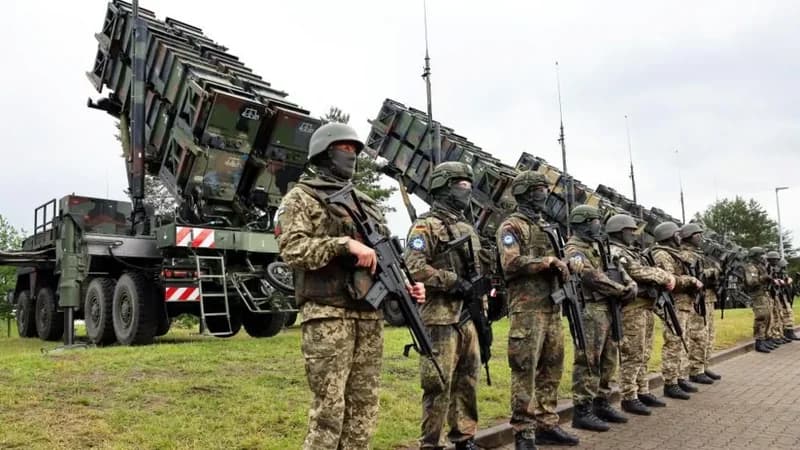
The United States government has authorized a major $2.1 billion military sale to Ukraine, consisting of 500 Patriot interceptor missiles to bolster the country’s defenses against persistent Russian aerial attacks. This significant transaction is being financed by a coalition of international allies, including Canada, Germany, and Norway, through the JUMPSTART program. The arrangement allows these nations to provide essential military hardware to Kyiv while managing the financial logistics and reimbursement through the established program framework.
Ukrainian President Volodymyr Zelensky has emphasized the urgent necessity of these interceptors as his nation faces intensified drone and missile strikes. Zelensky has been active in pressing international partners for expedited delivery timelines to ensure that air defense batteries remain operational. The deal highlights the ongoing collaborative efforts by Western allies to sustain Ukraine's defensive capabilities despite the high costs associated with advanced military technology.
However, the massive order faces potential delays due to global industrial limitations. Current production data indicates that only approximately 600 Patriot missiles are manufactured annually on a global scale. Because this single order accounts for nearly a year's worth of total production capacity, there are significant concerns regarding how quickly the manufacturers can fulfill the contract and deliver the hardware to the front lines. This supply chain bottleneck remains a critical hurdle for Ukraine’s immediate defense planning.
The approval of the sale also comes amid complex diplomatic interactions between President Zelensky and U.S. President Donald Trump. While the deal confirms continued American logistical and military support, the political relationship between the two administrations remains a point of observation for international analysts. As the conflict continues, the successful deployment of these 500 missiles will depend as much on industrial output as it does on the sustained coordination of the allied financing partners.