••
US Army soldier arrested in UK for suspected spying for Russia
•2 min read•1 source
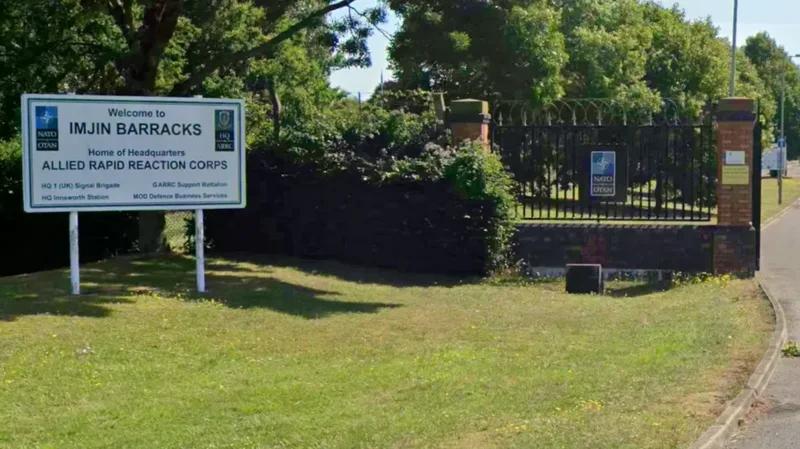
British counter-terrorism police have arrested a 41-year-old US Army soldier near the Imjin Barracks in Gloucestershire on suspicion of espionage for Russia. The arrest was executed under sections one and three of the National Security Act 2023, which specifically address the unauthorized disclosure of protected information and providing assistance to foreign intelligence services. The unnamed soldier is currently being held in custody as investigations proceed into the potential compromise of sensitive military data.
The operation involved significant cooperation between British authorities and the United States Federal Bureau of Investigation (FBI). FBI Director Kash Patel confirmed the gravity of the investigation, highlighting the serious national security implications associated with the case. Following the arrest, specialized units conducted extensive searches at two separate locations in Gloucestershire linked to the soldier’s base at Imjin Barracks. This site is recognized as a strategic NATO location, which underscores the international sensitivity and potential impact of the alleged breach.
Under the provisions of the National Security Act, authorities are permitted to detain the suspect for up to 14 days without a formal charge while the investigation continues. This legal framework was established to provide law enforcement with robust tools to address modern threats from foreign states. While the specific nature of the information allegedly disclosed has not been made public, the involvement of counter-terrorism officials and the FBI suggests that the materials involved are of substantial intelligence value.
The arrest comes amid heightened global awareness regarding foreign interference and intelligence activities directed at Western military installations. As the legal process unfolds, forensic teams will continue to analyze evidence gathered from the searched locations to determine the full extent of any information disclosure. This case represents a high-profile application of the UK’s updated security laws and emphasizes the collaborative nature of Western intelligence efforts in protecting strategic military interests.