••
United States loses measles elimination status after 26 years
•2 min read•1 source
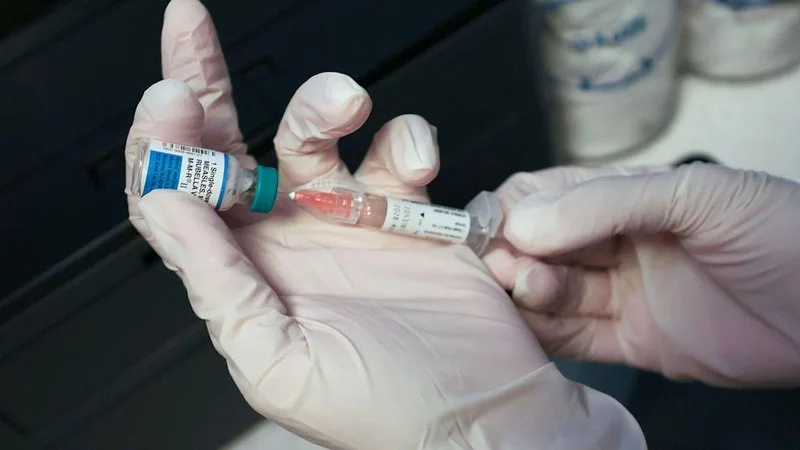
International health authorities have officially revoked the United States' measles-free status, marking the end of a public health milestone that had stood since 2000. The decision follows more than a year of continuous viral transmission, a development that signifies the return of endemic measles to the country. This loss of elimination status reflects a broader regional trend, as Mexico and Bolivia have also recently seen their measles-free designations rescinded due to rising infection rates across North and South America.
The resurgence of the virus is largely attributed to a significant decline in Measles, Mumps, and Rubella (MMR) vaccination coverage. Over the past two years, the U.S. has recorded more than 7,000 cases, with fatalities and infection levels reminiscent of the major outbreaks seen in 1991. Health data indicates that these current outbreaks are occurring primarily within unvaccinated populations where the virus can spread easily once introduced. The failure to maintain the vaccination thresholds required for elimination has effectively reversed decades of progress in disease control.
Experts point to a complex mix of factors driving the decline in immunization. Public confidence in vaccines has waned significantly in the years following the COVID-19 pandemic, exacerbated by mixed messaging from federal leaders and the spread of misinformation. This environment has made it increasingly difficult for healthcare providers to maintain the high levels of community immunity necessary to prevent the virus from establishing local transmission chains.
Restoring the nation’s measles-elimination status will require a coordinated effort between the Centers for Disease Control and Prevention (CDC) and state health agencies. Officials have emphasized the urgent need for corrective action plans to boost vaccination rates and address public health concerns. Regaining the status will depend on a sustained period without continuous transmission, a challenge that remains daunting as health agencies work to rebuild trust and ensure widespread access to essential vaccines.