••
US lawmakers criticize Nvidia for reinstating Jensen Huang as CEO
•2 min read•1 source
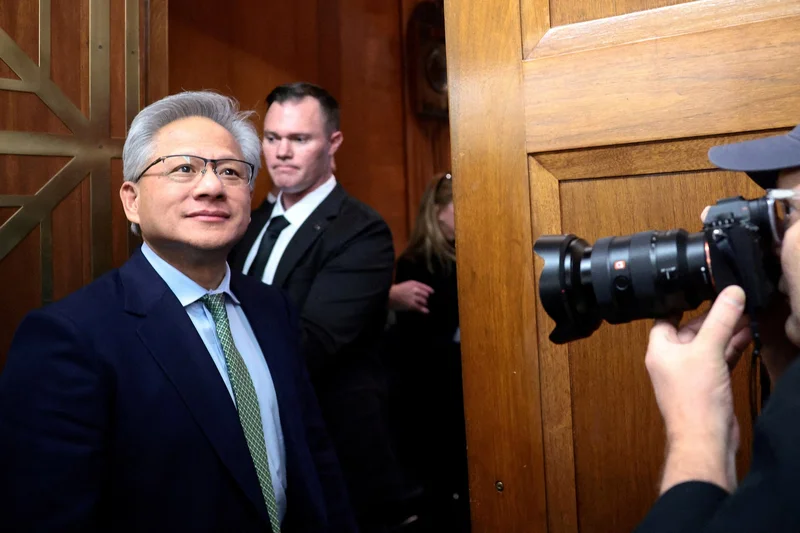
Bipartisan lawmakers in the United States have voiced strong opposition to Nvidia's decision to reinstate Jensen Huang as Chief Executive Officer. The move follows serious allegations linking the technology leader to Chinese espionage, which has prompted calls for increased scrutiny of the company's operations. Lawmakers from both sides of the aisle are now pushing for significantly tighter controls on the export of advanced artificial intelligence (AI) technology to China to protect national security interests.
The criticism has seen prominent figures demand immediate legislative and corporate accountability. Senate Intelligence Committee Chairman Tom Cotton has advocated for the passage of the Chip Security Act, a measure designed to provide rigorous oversight of AI processors and their distribution. Senator Elizabeth Warren also condemned the reinstatement, describing the decision as reckless and calling for a thorough investigation into Nvidia’s compliance with existing US export regulations. These leaders argue that the company's leadership choices have profound implications for American technological superiority.
The controversy is rooted in ongoing investigations into suspected espionage ties, a situation that has cast a shadow over one of the world's most valuable semiconductor firms. Jensen Huang is now scheduled to testify before Congress on December 3, where he is expected to face intense questioning regarding these allegations. This upcoming testimony is viewed as a pivotal moment for Nvidia as it attempts to navigate the complex landscape of US-China trade tensions while maintaining its dominance in the global AI hardware market.
This backlash reflects a growing consensus in Washington regarding the potential risks posed by technology firms with deep ties to international rivals. As the US government considers implementing stricter export controls, the outcome of this congressional inquiry could lead to significant policy changes regarding how advanced chips are managed and sold globally. The situation underscores the increasing intersection of corporate governance, international trade, and national security in the high-stakes industry of artificial intelligence.
