••
U.S. experts visit Ghana to strengthen water resource protection
•2 min read•1 source
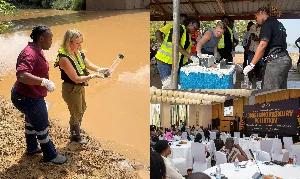
A delegation of scientific experts from the United States government concluded a two-week mission to Ghana aimed at addressing the critical challenges of mercury pollution and freshwater protection. Between November 7 and 21, specialists from the U.S. Environmental Protection Agency (EPA), the U.S. Geological Survey (USGS), and the U.S. Department of the Interior (DOI) engaged with local stakeholders to share technical expertise and strengthen institutional ties.
The visit was conducted under the auspices of the Ambassador’s Water Experts Program (AWEP), a collaborative initiative involving the U.S. Department of State and the Department of the Interior. The program specifically targets the enhancement of freshwater management and the mitigation of environmental hazards. During their time in the country, the delegation focused on identifying strategies to reduce the impact of mercury, a toxic heavy metal frequently associated with artisanal and small-scale gold mining activities that threaten Ghana's river systems.
Beyond pollution control, the mission emphasized the promotion of sustainable mining practices. By working alongside Ghanaian authorities, the U.S. scientific team provided technical guidance on safeguarding vital water resources while maintaining necessary economic activity. This collaboration reflects a broader diplomatic commitment to environmental stewardship, utilizing American scientific data and field experience from the USGS and EPA to assist Ghana in managing its natural resources more effectively.
The conclusion of this visit marks a significant step forward in the bilateral relationship between the United States and Ghana regarding environmental policy. The engagement is expected to facilitate ongoing technical exchanges and inform future policy frameworks aimed at protecting Ghana's freshwater systems from further degradation. These efforts align with national goals to ensure safe and sustainable water access for all citizens.
Live rates
Ghana gold price →