••
UPSA Law students propose human rights reforms at advocacy workshop
•2 min read•1 source
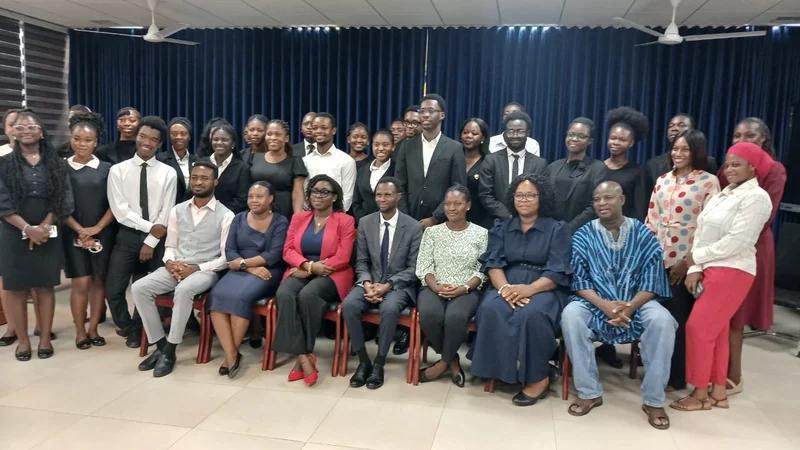
Law students and lecturers at the University of Professional Studies, Accra (UPSA) have proposed a series of institutional reforms aimed at addressing critical human rights concerns in Ghana. The recommendations were developed during a specialized workshop organized by the Human Rights Advocacy Centre (HRAC) and the Planned Parenthood Association of Ghana (PPAG). The session focused on the Universal Periodic Review (UPR) process, a United Nations mechanism used to monitor and improve the human rights records of member states.
During the deliberations, participants identified and analyzed several pressing social and legal issues, including the protection of religious freedoms and the promotion of environmental sustainability. A significant portion of the workshop was dedicated to discussing the treatment of women in Ghana, with a specific focus on the conditions and rights of those residing at the Gambaga Witches Camp. By examining these cases, the students developed actionable recommendations for institutional interventions to ensure better protection for vulnerable populations.
The initiative was designed to bridge the gap between academic legal theory and the practical application of human rights advocacy. Organizers from HRAC and PPAG emphasized the importance of empowering the next generation of legal professionals to engage with international human rights frameworks. By involving students in the UPR process, the workshop aimed to equip them with the skills necessary to influence national policy and champion social justice throughout their future careers.
Ultimately, the workshop highlights an increasing effort within Ghanaian higher education to integrate practical advocacy into the law curriculum. The proposed reforms reflect a growing awareness among students of the need for robust institutional oversight and legal protections. As these future lawyers transition into the professional sphere, their engagement with the UPR process is expected to strengthen Ghana’s commitment to its international human rights obligations.

