••
Upper West shea producers demand mechanisation to boost earnings
•2 min read•1 source
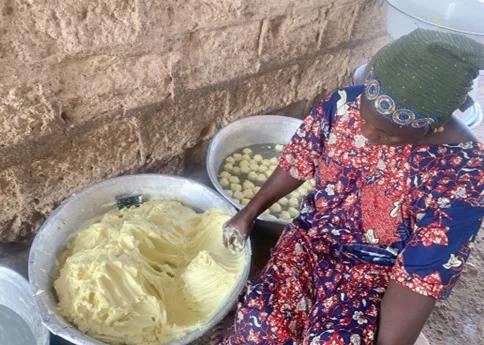
Female shea butter producers in Ghana’s Upper West Region are calling for urgent interventions to address the systemic challenges hindering the profitability of the shea sector. Despite the industry’s vital role as a primary source of income for thousands of households, many producers report that they remain trapped in a cycle of high labor and low returns. The women are specifically advocating for improved market access, the provision of modern production equipment, and financial assistance to cover the prohibitive costs of quality certification.
Producers such as Salamatu Ibrahim and Memuna Adams have highlighted the physical toll and economic strain caused by the reliance on traditional, manual processing methods. Without adequate machinery, the production process is slow and yields are lower than their potential. Furthermore, even when high-quality butter is produced, the lack of direct links to lucrative markets often forces these women to sell to middlemen at prices that do not reflect the true value of their labor. The high cost of obtaining the necessary certifications to sell to international or high-end domestic buyers further complicates their ability to compete.
Industry experts are echoing these calls for support, emphasizing that the sector requires stronger producer networks and comprehensive training programs to improve production efficiency. By formalizing these networks, women can better advocate for fair pricing and share the costs of expensive machinery. Experts also suggest that sustainable practices must be integrated into the production cycle to ensure the long-term viability of the shea trees, which are a critical natural resource for the northern regions of Ghana.
Addressing these bottlenecks could transform the shea industry from a survival activity into a robust driver of regional economic growth. If the government and non-governmental organizations provide the requested mechanisation and market linkages, it is expected that thousands of women across the Upper West Region will see a significant increase in their incomes. This shift would not only improve the livelihoods of individual families but also contribute to the overall economic development and stability of the region.