••
University of Ghana students protest 15% hostel fee hike
•2 min read•5 sources
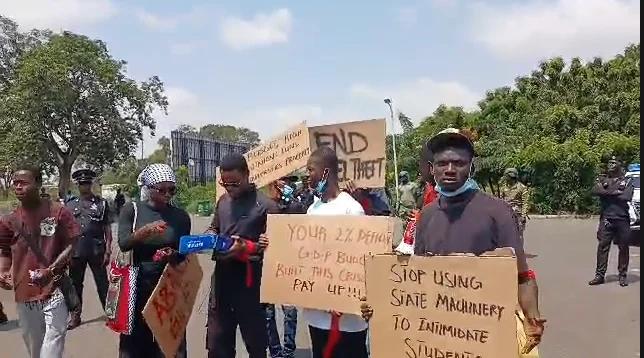
Students at the University of Ghana staged a demonstration on November 9, 2026, to protest a 15% increase in hostel accommodation fees for the 2026/2027 academic year. The protesters, organized under groups such as the Concerned Students and the Save Our Universities movement, are demanding an immediate reversal of the price hike and the total abolition of the University of Ghana Enterprise Limited (UGEL) management system. While the university originally proposed a 26% increase, subsequent negotiations with student representatives saw the figure reduced to 15%, though students maintain that even the adjusted rate remains unaffordable for many. During the demonstration, student leaders argued that the UGEL system prioritizes profit over the welfare of the student body, particularly affecting those from low-income backgrounds. Nasiba Abass, an organizer for the Save Our Universities movement, alleged that university management and security services have attempted to intimidate students into silence regarding campus injustices. Protesters expressed frustration that the fee increases have not been accompanied by improvements to hostel facilities, claiming that current living conditions do not justify the higher costs. They warned that the heightened financial strain could force some students to discontinue their education entirely. In response to the unrest, UGEL CEO Yawo Agbesi clarified that the proposed increases were not intended to exploit students but were necessary to address ongoing financial challenges within the university's accommodation system. He emphasized that management is committed to transparency and is actively engaging with student leadership to reach a collaborative resolution. Agbesi assured the student body that any necessary refunds regarding previously unassessed accommodation charges would be managed fairly. The protest occurs alongside a regulatory intervention by Ghana’s Rent Control Department, which has ordered UGEL to halt unassessed rent hikes and issue refunds by November 17, 2026. This directive highlights significant national concerns regarding the affordability of higher education and the legality of fee-setting processes within tertiary institutions. As the university management seeks to re-engage with student representatives, the outcome of these discussions will likely serve as a benchmark for how accommodation disputes are managed across Ghana's public universities.
gbcghanaonline.com
PrimaryeducationUniversity of Ghana students protest 26% hostel fee hike, demand UGEL system scrapping
ghanaweb.com
educationUG management, security services have tried to repress us - Student leader cries over 15% hostel fee hike
myjoyonline.com
educationUniversity of Ghana students protest 26% hostel fee increase, demand UGEL system scrapping
modernghana.com
educationUG students demand removal of UGEL management over 15% hostel fee increase
myjoyonline.com
educationWe're not exploiting students; we’re engaging them and will soon reach an agreement - UGEL CEO

