••
University of Ghana students protest against 19% hostel fee hikes
•2 min read•1 source
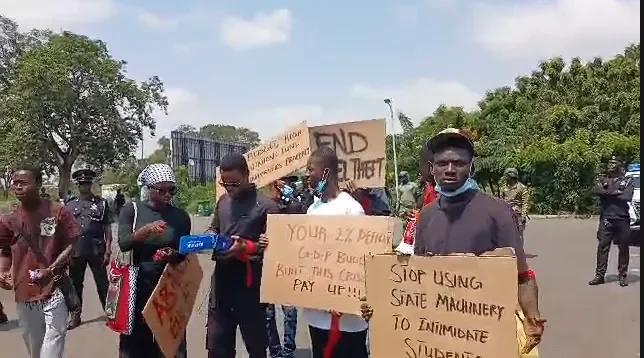
Students at the University of Ghana staged a protest on November 9, 2026, to formally reject proposed increases in hostel accommodation fees. The demonstration, which received backing from the Economic Fighters League (EFL), highlights a growing tension between the student body and university management over the cost of campus living. Despite a downward revision of the initial fee proposal, students maintain that the current management framework is flawed and lacks the necessary transparency to protect their interests.
The conflict began when the university administration proposed a 26% hike in hostel fees for the upcoming academic period. Following a series of stakeholder discussions, the increase was adjusted to between 15% and 19%. However, the protesting students have flatly rejected this compromise, calling instead for a complete abolition of the existing management structure. They are demanding a new, more transparent system for setting fees that ensures student voices are genuinely represented in the decision-making process.
The Economic Fighters League (EFL) has been vocal in its support for the student movement, raising alarms over what it describes as a restrictive environment for student activism. In a statement endorsing the protest, the EFL criticized official student representative bodies for failing to adequately defend the interests of their constituents. The group emphasized that academic freedom extends beyond the rights of faculty and must include the right of students to speak out against administrative policies without fear of retribution.
As the standoff continues, the EFL has urged the University of Ghana authorities to cease any practices deemed intimidating to student activists. The league argued that a healthy academic environment thrives on active student engagement and the freedom to express dissent. The outcome of this protest remains critical, as it sets a precedent for how student grievances regarding the affordability of higher education are handled at Ghana’s premier university.
