••
United Nations reveals restoration efforts reached 252 million hectares
•2 min read•1 source
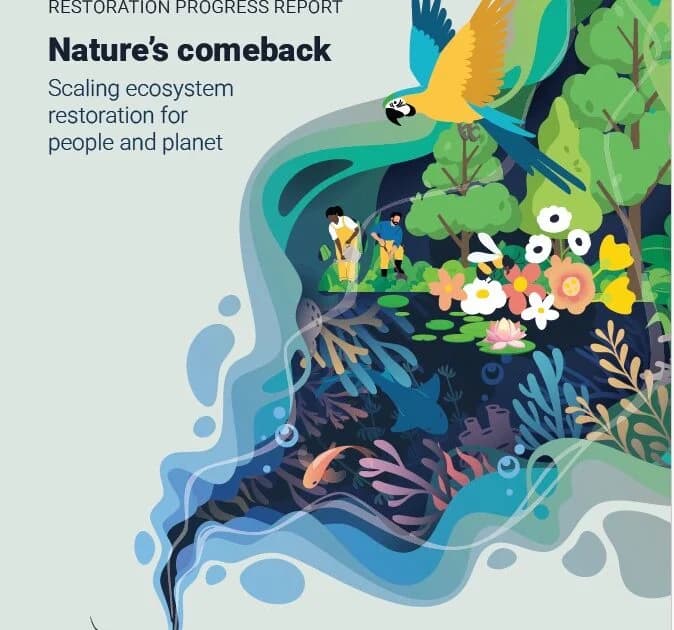
A new United Nations report has revealed that global ecosystem restoration efforts have successfully covered 252 million hectares of land and water across 149 countries. This significant milestone has already resulted in the creation of over one million green jobs, demonstrating the economic potential of environmental recovery. However, the report cautions that current progress remains insufficient to meet the ambitious international commitments set for 2030 to reverse nature loss and restore planetary health.
To reach these 2030 targets, the UN emphasizes a critical need for a massive scaling up of financial resources. Current annual investment in restoration stands at approximately US$64 billion, but this figure must jump to US$296 billion by the end of the decade. The report suggests that such an increase is not merely a cost but an opportunity, with the potential to generate an additional 32 million jobs globally. This transition toward a "restoration economy" is seen as a vital pathway for both ecological stability and sustainable development.
The findings also highlight specific areas where restoration initiatives are lagging. There is an urgent call for increased focus on freshwater, marine, and coastal ecosystems, which have historically received less attention than terrestrial projects. Furthermore, the UN warns that physical restoration alone is not enough; stakeholders must simultaneously address the underlying root causes of ecosystem degradation. Without tackling issues like unsustainable land use and industrial pollution, recovery efforts may fail to provide long-lasting results.
As the world approaches the midway point of the UN Decade on Ecosystem Restoration, the report serves as both a celebration of progress and a stark call to action. While the restoration of 252 million hectares proves that large-scale recovery is possible, the widening gap between current actions and future needs remains a concern. The global community is urged to align financial policies and local actions to ensure that the 2030 nature targets remain within reach.