••
UniMAC-IFT demands national framework to protect 3,000 historical films
•2 min read•1 source
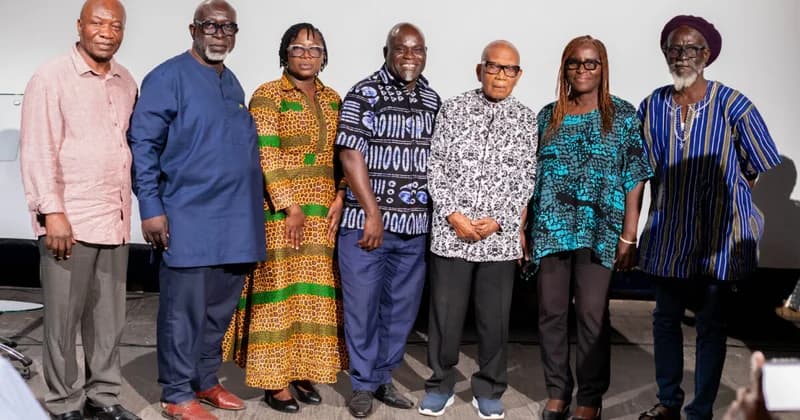
The University of Media Arts and Communication (UniMAC-IFT) has called for the establishment of a national framework to protect and promote Ghana’s audiovisual legacy. Speaking during the 2026 World Day for Audiovisual Heritage commemoration in Accra, stakeholders emphasized the urgent need to safeguard the country's film history as a vital component of its national identity. The event served as a platform to highlight ongoing initiatives to digitize historical archives and the significant challenges facing local preservation efforts.
A major highlight of the commemoration was the recognition of Rev. Dr. Chris Hesse’s nearly thirty-year dedication to preserving Ghana's cinematic past. Dr. Hesse has been instrumental in efforts to save approximately 3,000 historical films, a feat described as showcasing the immense complexities and personal commitment required in the field of archival preservation. Discussions also revealed a government commitment to funding digitization programs, specifically targeting historical films currently stored in the United Kingdom, while leaders urged for similar attention to be directed toward local collections within Ghana.
Academic and international perspectives further enriched the dialogue on preservation strategies. Dr. Rebecca Ohene-Asah, representing UniMAC-IFT, stressed that the sustainability of these efforts relies heavily on strategic partnerships and increased funding for local preservation infrastructure. Additionally, UNESCO’s Edmond Moukala underscored that audiovisual materials are more than just recordings; they are essential national assets that define Ghana’s identity. He advocated for a systematic approach to ensuring these materials are archived and accessible for future generations.
The gathering concluded with technical recommendations regarding the long-term viability of digital recordings. Experts noted that while digitization is a significant step, the long-term survival of these records depends on proper storage conditions and meticulous documentation. By blending historical preservation with contemporary cultural appreciation, the organizers hope to create a sustainable ecosystem where Ghana’s audiovisual heritage is both protected and celebrated through various artistic expressions.