••
UNICEF warns nearly 40% of Ghanaian children lack birth certificates
•2 min read•1 source
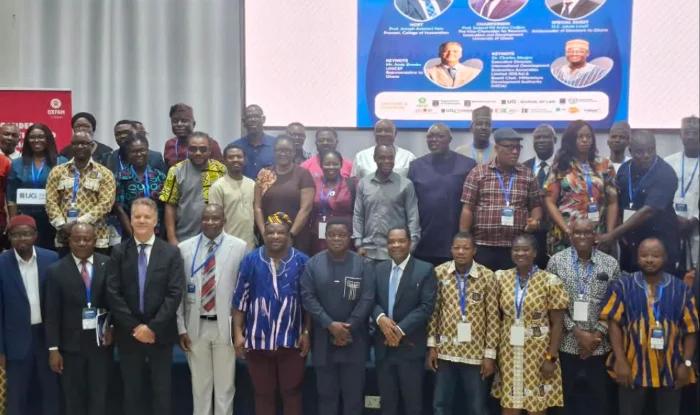
UNICEF has raised a significant alarm over Ghana’s birth registration coverage, revealing that nearly 40% of children in the country currently lack a formal legal identity. Andy Brooks, the UNICEF Representative to Ghana, disclosed that only 61% of children have been issued birth certificates, leaving millions of minors undocumented. This gap presents a major hurdle for national development planning and the equitable distribution of state resources.
During a recent field visit to Boapasi in the Eastern Region, Brooks observed the scale of the challenge firsthand, noting that very few children in the community possessed the necessary documentation. He identified weak telecommunications infrastructure and the limited availability of digital registration services in remote areas as the primary obstacles preventing families from accessing these essential services. The reliance on digital platforms for registration has inadvertently marginalized rural populations where connectivity remains unreliable.
The lack of formal documentation has far-reaching consequences, as children without birth certificates risk being excluded from vital national statistics used to plan for healthcare and education. UNICEF is calling for urgent, targeted interventions to bridge this registration gap and ensure every child is recognized by the state. Brooks emphasized that high-quality, comprehensive data is indispensable for the government to ensure that vulnerable populations are prioritized and that no child is left behind in the country’s development agenda.