••
UNFPA-UNICEF Adolescent Girls’ Programme Records Major Success in Reducing Teenage Pregnancy in Central Tongu
•2 min read•1 source
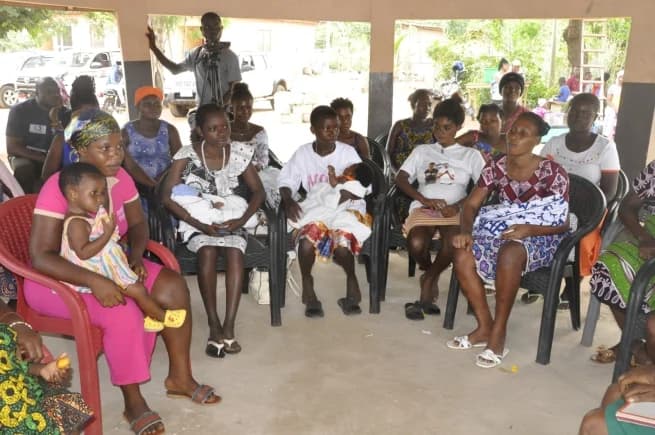
The Adolescent Girls’ Programme (AGP) is making significant strides in improving reproductive health outcomes and educational retention for young women in the Central Tongu and Akatsi North districts. Launched in 2025, the initiative—a collaborative effort between UNFPA and UNICEF with funding support from Global Affairs Canada—has successfully decreased teenage pregnancy rates while bolstering educational engagement. Recent data from the Mafi-Kumase Comboni R.C. School underscores this progress, reporting zero teenage pregnancies this year, a sharp decline from five cases recorded annually just five years ago.
Beyond the raw statistics, the programme has fostered a fundamental shift in community attitudes toward adolescent reproductive health and education. Parents in these districts are now more actively involved in their children’s schooling, creating a more robust support system that encourages girls to prioritize their long-term goals. According to reports from local health facilities, there is also a notable change in how pregnancies are managed when they do occur; pregnant adolescents are increasingly seeking formal antenatal care rather than opting for unsafe terminations. This trend reflects a growing determination among young mothers to return to the classroom and complete their education after childbirth, supported by the programme’s empowerment framework.
The AGP’s success is attributed to its multi-faceted approach, which prioritizes informed decision-making regarding sexual health and expanded access to reproductive services. By equipping girls with the knowledge to navigate their physical and social development, the initiative aims to break cycles of poverty and limited opportunity. Moving forward, the continued partnership between international donors and local community leaders remains essential to sustaining these gains. Stakeholders hope to scale this model to other regions across Ghana to ensure that more adolescent girls can access the resources necessary to make healthy, life-affirming choices for their futures.


