••
UNFPA Urges Ghana to Develop Comprehensive Emergency Preparedness Plan at 15th Medical Knowledge Fiesta
•2 min read•1 source
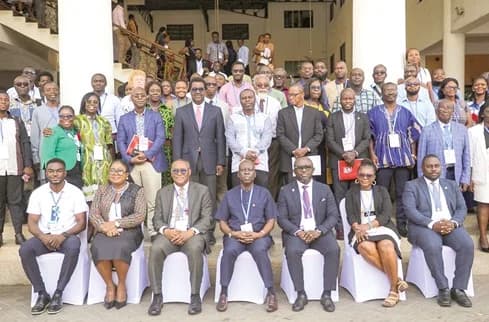
The United Nations Population Fund (UNFPA) has called on Ghana to prioritize the development of a comprehensive emergency preparedness plan to bolster the nation's resilience against future health crises. Speaking at the 15th Medical Knowledge Fiesta in Accra, Dr. David Wilfred Ochan, the UNFPA Country Representative, underscored that the lessons learned from global outbreaks like COVID-19 and Ebola necessitate a proactive rather than reactive approach to medical emergencies. He emphasized that the efficacy of the country's response depends heavily on the pillars of planning, practice, and partnerships established well before a disaster strikes.
Dr. Ochan outlined several critical components for an effective national framework, including the clear definition of leadership structures and the strategic pre-positioning of essential medical supplies across the country. A central theme of his address was the necessity of moving beyond theoretical plans toward active readiness through regular simulation exercises. By practicing emergency protocols, healthcare providers and administrative bodies can identify systemic gaps and refine their coordination. This technical focus is designed to ensure that when a crisis occurs, the transition from routine healthcare operations to emergency response is seamless and efficient.
Supporting these calls, Professor Yaw Asante Awuku highlighted that emergency preparedness is a shared responsibility that transcends the health sector alone. He advocated for a tripartite collaboration involving the government, frontline health workers, and local communities to ensure a holistic defense against health threats. The Medical Knowledge Fiesta served as a vital platform for stakeholders to share insights and strengthen healthcare delivery mechanisms. Ultimately, the consensus from the gathering was that Ghana must invest in these preventative structures today to mitigate the impact of future health emergencies on its population and national stability.