••
UNFPA Representative Urges Ghana to Establish Comprehensive Emergency Preparedness Plan
•2 min read•1 source
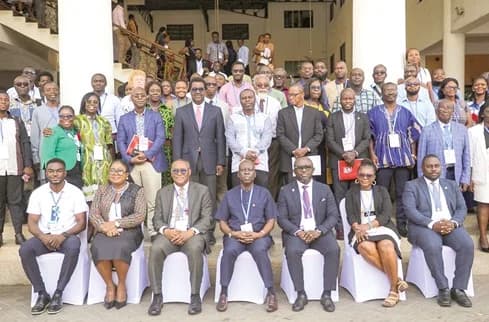
Dr. David Wilfred Ochan, the United Nations Population Fund (UNFPA) Country Representative, has emphasized the critical need for Ghana to develop and implement a comprehensive emergency preparedness plan. Speaking at the 15th Medical Knowledge Fiesta in Accra, Dr. Ochan underscored that the nation’s ability to respond effectively to future health crises, such as pandemics or localized outbreaks, depends on proactive planning rather than reactive measures. Drawing on lessons from the global COVID-19 pandemic and the regional Ebola crisis, the call to action highlights the necessity of being prepared long before a disaster occurs.
The strategy proposed by the UNFPA centers on three essential pillars: planning, practice, and partnerships. Dr. Ochan detailed that a robust emergency framework must include clearly defined leadership structures to ensure a streamlined chain of command during a crisis. Furthermore, the pre-positioning of essential medical supplies was identified as a critical factor in ensuring that healthcare facilities are not caught off guard. To maintain a high state of readiness, the UNFPA Representative advocated for the implementation of regular simulations and drills to test emergency protocols, ensuring that health workers are intimately familiar with procedures before an actual emergency strikes.
Supporting this vision, Prof. Yaw Asante Awuku highlighted that emergency preparedness is not the sole burden of a single entity but a collective responsibility. He noted that building a resilient health system requires active collaboration between the government, healthcare professionals, and local communities. The Medical Knowledge Fiesta served as a vital platform for this exchange, aiming to facilitate knowledge sharing and enhance healthcare delivery across the country. By integrating these collaborative efforts, stakeholders believe Ghana can build a more secure health infrastructure capable of protecting the population at a moment's notice.