••
UN Population Fund Reports Alarming 123% Surge in Forced Marriages and Gender-Based Violence in Gaza
•2 min read•3 sources
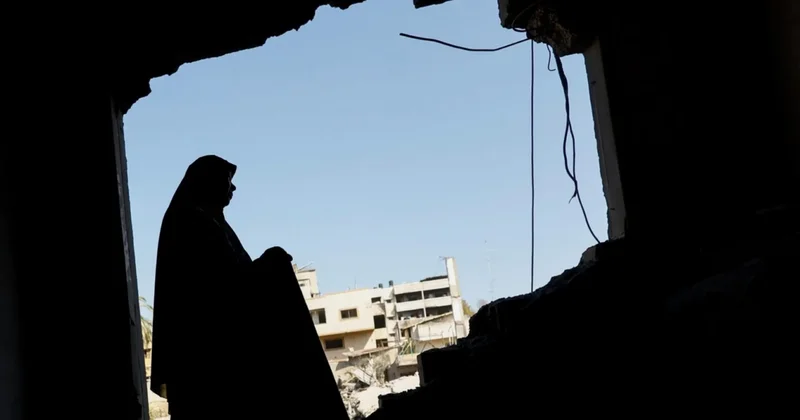
Reports from the United Nations Population Fund (UNFPA) have revealed a harrowing escalation in violence against women and girls in the Gaza Strip, directly linked to the ongoing conflict and the resulting collapse of social and legal infrastructures. According to data compiled from ten humanitarian organizations, there has been a staggering 123% increase in reported cases of early and forced marriages during the second quarter of 2026. The findings underscore a deepening protection crisis where women and children are increasingly vulnerable to exploitation and the erosion of their fundamental rights amidst extreme poverty and mass displacement.
The surge in child marriages is frequently driven by families' desperate attempts to secure financial survival or provide a perceived layer of protection for their daughters in overcrowded displacement camps. Nestor Owomuhangi, a UNFPA representative, noted that adolescent pregnancies are rising sharply as a direct consequence of these forced unions. The breakdown of traditional community safety nets and the absence of functional law enforcement have left many families feeling they have no choice but to marry off young daughters to reduce the number of dependents or to seek physical security in an increasingly volatile environment.
Beyond forced marriages, the report highlights disturbing testimonies regarding the handling of sexual violence within the region. Displaced women have reported instances where rape victims are married off to their assailants to avoid social stigma and preserve family reputation. One witness described a chilling scenario where weddings were held at schools acting as shelters the day after rape cases were discovered, as a way to "resolve" the trauma. These practices reflect the severe weakening of legal protections and the normalization of harmful coping mechanisms in the face of relentless humanitarian distress and lack of medical and psychological support.
In light of these findings, humanitarian agencies are calling for urgent international intervention to improve living conditions, including better shelter, sanitation, and dedicated support systems for survivors of gender-based violence. There is a critical need for the restoration of legal safeguards and the implementation of specific protective measures to combat sexual exploitation. Aid organizations emphasize that until the underlying humanitarian crisis is addressed and stability is returned to the region, the most vulnerable members of Gazan society will continue to bear the disproportionate brunt of the conflict's devastating social consequences.