••
Veteran Playwright Uncle Ebo Reflects on Career Journey, Radical Commitment, and Life Without Mobile Technology
•2 min read•1 source
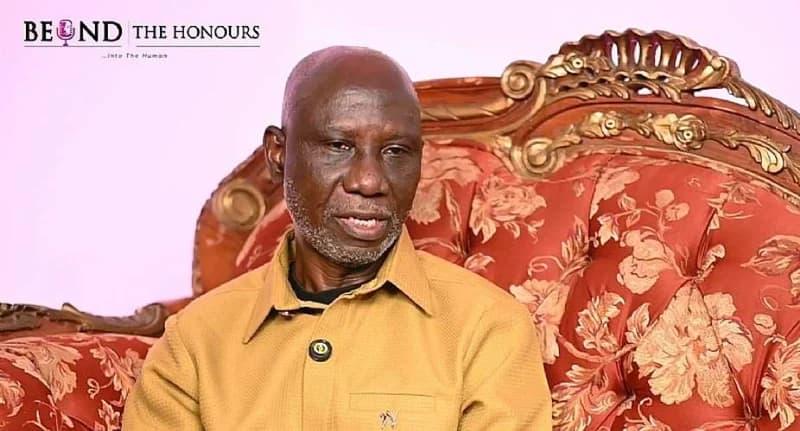
Veteran Ghanaian theatre practitioner and playwright Uncle Ebo has opened up about the unconventional lifestyle choices and personal history that have shaped his decades-long career. Known for his profound impact on the Ghanaian arts scene, Uncle Ebo describes his work not merely as entertainment but as a ministry dedicated to conveying critical societal messages. His approach to both life and art is marked by a rejection of modern norms, ranging from a refusal to use mobile technology to a radical commitment to his craft that saw him discard his academic credentials to ensure he had no fallback plan beyond success in the theatre.
Central to his personal discipline is a lifelong abstinence from alcohol, a choice rooted in his childhood observations of his father's struggles with alcoholism. This early exposure to the negative effects of substance abuse led him to adopt a sober, minimalist lifestyle. In a world increasingly dominated by digital connectivity, Uncle Ebo remains a notable outlier; he famously opts out of using mobile phones and messaging platforms like WhatsApp, preferring simple routines that allow him to focus on his creative and spiritual objectives without the distractions of the modern digital age.
The playwright’s professional journey, which began in 1976, was not always marked by the acclaim he enjoys today. Following several early failures that threatened his career, Uncle Ebo took the dramatic step of destroying his academic certificates. This symbolic and practical act was intended to strip away any safety net, forcing him to fully dedicate his energy and future to the theatre. This unwavering focus eventually paid off, establishing him as a mainstay in Ghanaian culture whose productions frequently explore the complexities of human relationships and national identity.
Beyond his personal habits, Uncle Ebo also offers a critical look at Ghanaian social structures, particularly marriage traditions. He has highlighted the historical context of these traditions and how they continue to influence contemporary social practices. As he continues his work, his legacy remains defined by this intersection of personal conviction and artistic dedication, providing a unique template for how the arts can be used as a tool for both social reflection and personal discipline.
