••
UN Security Council to vote on MINUSCA mandate renewal
•2 min read•1 source
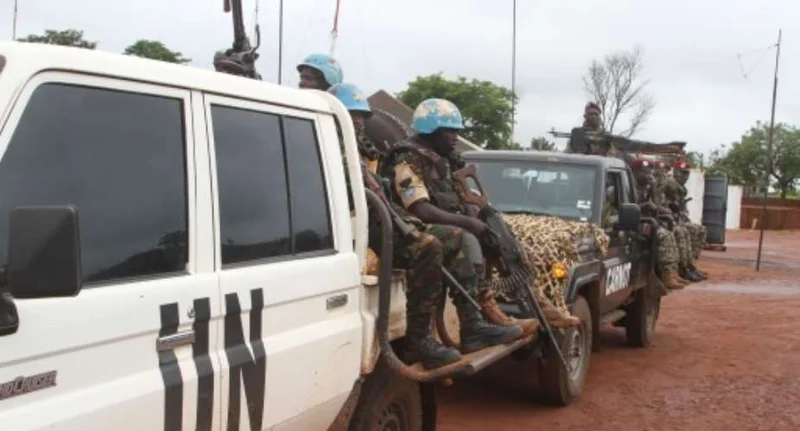
The United Nations Security Council is preparing to vote on the renewal of the United Nations Multidimensional Integrated Stabilization Mission in the Central African Republic (MINUSCA). Established in 2014 during a period of intense civil war, the mission's mandate is nearing its expiration, requiring a formal decision on the future of international peacekeeping efforts in the country. While the security environment has stabilized significantly over the last decade, the mission remains a critical component of the regional security architecture.
President Faustin-Archange Touadera has formally advocated for a "gradual withdrawal" of the MINUSCA force, signaling a desire for the Central African Republic to take greater responsibility for its own national security. The President has emphasized that any drawdown must be phased and accompanied by ongoing international support to build the capacity of domestic security institutions. This position highlights the delicate balance between the government's pursuit of sovereign control and the recognized need for a continued international presence.
Despite the progress made since the mission's inception, violent incidents continue to pose a threat to stability. Recent reports indicate that armed groups remain active, particularly in border regions adjacent to Chad, Sudan, and the Democratic Republic of Congo. These groups, including remnants of the Lord’s Resistance Army and various local militias, continue to clash with government forces, underscoring the persistent volatility in outlying areas. Consequently, MINUSCA maintains its primary mandate to protect civilians and support the country's governance structures.
The upcoming Security Council vote will define the mission's operational focus and the conditions for any eventual reduction in personnel. As the international community assesses the current security landscape, the decision will have profound implications for the Central African Republic's long-term peace process. The outcome is expected to address both the government's calls for a transition and the international community's concerns regarding the protection of vulnerable populations in the face of ongoing militia activity.
