••
UN begins withdrawal of MINURSO mission from Western Sahara
•2 min read•2 sources
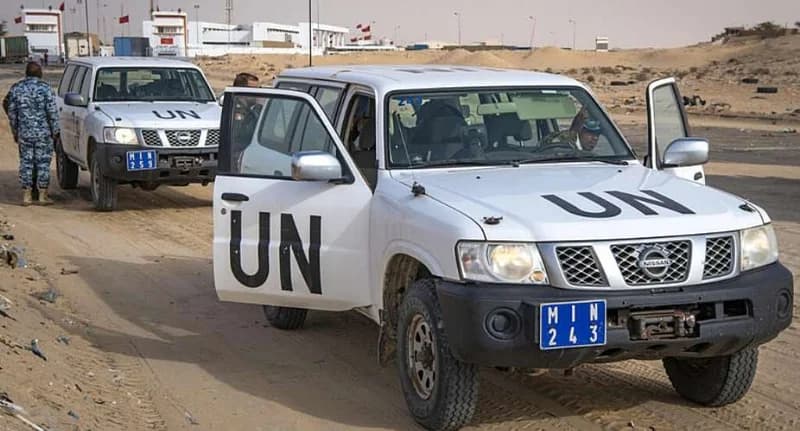
The United Nations has officially begun the process of winding down its peacekeeping mission in Western Sahara, known as MINURSO, following the expiration of its mandate. This development comes after the UN Security Council failed to reach an agreement on a renewal resolution, marking the end of a mission that has been in place for over three decades. The withdrawal was confirmed by Stéphane Dujarric, the spokesperson for UN Secretary-General António Guterres, who noted that the process was triggered by a diplomatic impasse between major global powers.
The failure to extend the mission's mandate was primarily due to a deadlock between the United States and Russia. Russia exercised its veto power against a U.S.-drafted resolution, arguing that the proposal lacked a balanced approach to the sensitive issue of sovereignty in the region. MINURSO was established in 1991 with the primary objective of monitoring a ceasefire between the Moroccan government and the Polisario Front, while also facilitating a referendum to determine the future status of the Sahrawi people.
Reactions to the mission's conclusion have been sharply divided. The Moroccan government has welcomed the end of MINURSO, viewing it as an opportunity to move past the long-stalled referendum process and gain further international support for its proposed autonomy plan under Moroccan sovereignty. Conversely, the Polisario Front and Algeria have strongly criticized the decision, warning that the absence of a UN presence could lead to a significant escalation in military hostilities and destabilize the broader North African region.
As the UN begins removing its personnel and equipment, international observers have expressed concern regarding the future of the 1991 ceasefire. Western Sahara remains classified by the African Union as a non-self-governing territory, and the dissolution of the peacekeeping mission leaves the diplomatic process in a state of uncertainty. Secretary-General Guterres has advocated for the protection of the rights of the Sahrawi people, even as both Morocco and Algeria continue to increase their military expenditures amid the ongoing territorial dispute.
