••
UN-Habitat and Regional Experts Launch Mangrove Restoration Project in Ghana and Côte d'Ivoire Amid Global Climate Finance Crisis
•2 min read•2 sources
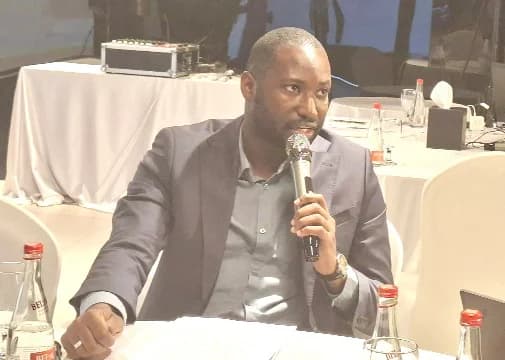
Environmental experts and regional coordinators have identified the destruction of mangrove vegetation as the primary driver behind escalating coastal flooding and climate change impacts in West Africa. To address these vulnerabilities, a $14-million initiative funded by UN-Habitat, titled the "Improving Resilience of Coastal Communities in Côte d'Ivoire and Ghana Project," was launched in September 2024. Targeting 21 communities across both nations, the project aims to restore critical ecosystems that provide natural protection against the rising sea. Mouhamadu Diene, the project's Regional Coordinator, emphasized that sustained sensitization and collaboration between state agencies and local communities are vital to protecting these biological barriers.
Progress on the ground is already visible, with 111 hectares of mangroves recently planted and plans underway for significant expansion. However, experts from the University of Twente warn that physical restoration alone is insufficient without thoughtful spatial planning. They note that poorly placed infrastructure near coastlines often creates new climate challenges, effectively negating the benefits of natural ecosystem recovery. The project highlights a growing shift toward nature-based solutions to mitigate the increasingly frequent storm surges and erosion affecting the Gulf of Guinea.
While regional efforts like the UN-Habitat project provide a lifeline, a broader financial crisis continues to stifle climate adaptation across the Global South. A recent report from ActionAid reveals a staggering disparity in resource allocation, finding that the world’s most climate-vulnerable countries spend nearly 25 times more on debt servicing than on climate action. In these nations, debt repayments consume an average of 65% of government revenue, severely limiting the ability of local governments to fund their own resilience projects or maintain critical ecosystems like mangroves without external aid.
The intersection of the debt crisis and the climate emergency has led to calls for urgent international financial reform. Advocates and environmentalists are pushing for debt cancellation and a shift from loans to grants, noting that the Global South currently pays 225 times more in debt repayments than it receives in climate grants. Without addressing this systemic financial imbalance, local restoration efforts in Ghana and Côte d'Ivoire remain at risk of being overshadowed by the broader economic pressures that prevent vulnerable nations from investing in their own long-term environmental survival.
