••
United Nations envoy rules out military solution for Sudan conflict
•2 min read•1 source
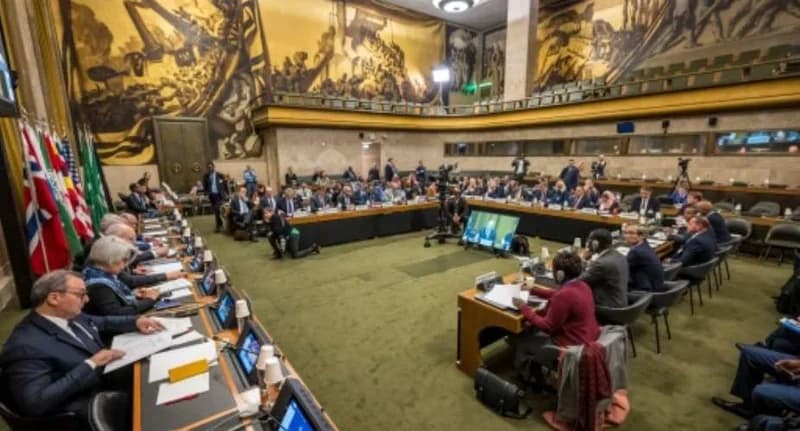
The United Nations envoy for Sudan has declared that a military solution is impossible for the nation's devastating civil war during a high-level international meeting in Geneva. Addressing representatives from 21 nations and five international organizations, the envoy emphasized that only diplomatic engagement can end the hostilities between the Sudanese Armed Forces and the paramilitary Rapid Support Forces (RSF). The gathering was convened to coordinate fragmented peace initiatives and urgently address the humanitarian catastrophe that has unfolded since the conflict began.
The scale of the crisis in Sudan is immense, with the conflict resulting in more than 200,000 deaths and the displacement of over 13 million people. Participants at the Geneva meeting highlighted the severe suffering of civilians, who face ongoing fighting and reported atrocities. The international community used the platform to advocate for immediate humanitarian access to regions cut off by the violence, where food and medical supplies are desperately needed. The envoy's rejection of a military path underscores the stalemate on the ground and the increasing pressure for a negotiated ceasefire.
Beyond the call for peace, the meeting focused on practical confidence-building measures to bridge the gap between the warring factions. These proposals include potential prisoner exchanges and facilitating educational assessments for students whose lives have been upended by the war. Crucially, the international representatives rejected any attempts to establish parallel governments in Sudan, insisting on a unified approach to the country's governance and stability. The envoy encouraged both sides to implement these small-scale agreements as a precursor to more substantive peace talks.
As the war continues to destabilize the region, the Geneva talks represent a renewed effort to harmonize international diplomatic pressure. The UN envoy stressed that a coordinated approach is the only way to protect civilians and secure a lasting ceasefire. The next steps involve translating the consensus reached in Geneva into tangible actions on the ground, specifically ensuring that humanitarian corridors are respected by both the army and the RSF. The international community remains committed to a political transition that restores order and addresses the root causes of the conflict.


