••
Ukraine Launches Unprecedented Drone Offensive Targeting Moscow Oil Refinery and Residential Areas
•2 min read•2 sources
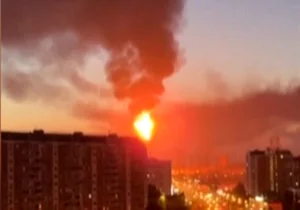
Ukraine has carried out its most extensive drone offensive against the Moscow region to date, signaling a major escalation in the use of unmanned aerial technology within the ongoing conflict. According to reports from the region, the strike involved hundreds of drones launched toward the Russian capital, marking it as the largest coordinated aerial assault of its kind since the start of hostilities. The operation resulted in a confirmed death toll of at least two individuals, while approximately 20 others sustained injuries as the barrage reached deep into the heart of the Moscow administrative district.
Moscow Mayor Sergei Sobyanin described the event as the "most massive" attack on the capital, claiming that Russian air defense units successfully intercepted and shot down 450 drones. Despite these defensive efforts, the scale of the operation allowed several units to reach high-value targets. Among the primary objectives was the city’s main oil refinery, a critical piece of energy infrastructure, alongside impacts on residential buildings. These strikes on civilian and industrial sectors have caused significant alarm, highlighting the increasing vulnerability of key metropolitan zones far from the front lines.
The strategic nature of this attack suggests a deliberate effort by Kyiv to disrupt Russian energy logistics and bring the realities of the conflict closer to the Russian populace and leadership. By successfully deploying such a large volume of drones simultaneously, the operation underscores the evolving capabilities of Ukrainian long-range strike systems. As both nations continue to refine their aerial tactics and defense mechanisms, this record-breaking assault sets a new precedent for the intensity of drone warfare in the region, with significant implications for future security protocols in major Russian cities.