••
UK Prostate Cancer Diagnoses Reach Record High with One Man Diagnosed Every Eight Minutes
•2 min read•1 source
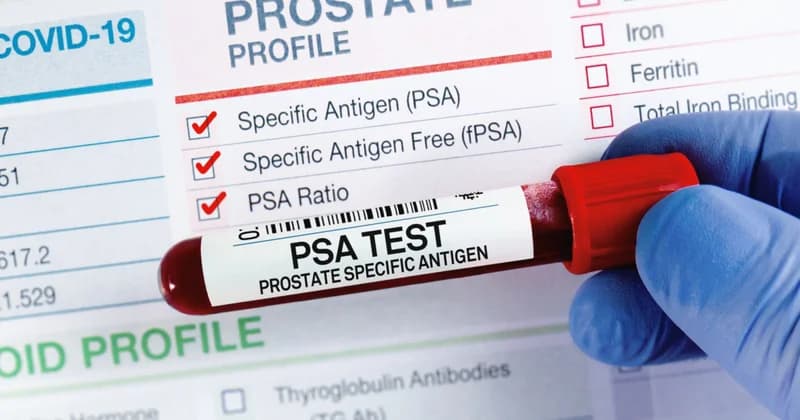
New data from Macmillan Cancer Support reveals a significant surge in prostate cancer cases across the United Kingdom, with more than 68,000 men now being diagnosed annually. This staggering figure translates to approximately one new diagnosis every eight minutes. The charity reports that there are currently around 600,000 men living with the disease in the UK, a sharp increase from the 500,000 recorded as recently as 2020. This upward trend highlights a growing public health challenge, partly driven by an aging population and improved detection efforts.
Health experts express concern that many men remain unaware of their condition because prostate cancer often does not present noticeable symptoms in its early stages. Dr. Anthony Cunliffe, a lead clinician at Macmillan, emphasized that waiting for symptoms to appear can be a dangerous strategy, as they frequently only develop once the disease has reached a late stage. He urges men, particularly those over the age of 50 or those with specific risk factors, to proactively discuss their prostate health with their General Practitioner (GP) rather than waiting for physical signs of illness.
In response to these rising numbers, the UK National Screening Committee recently reviewed its guidelines regarding detection protocols. While the committee has advised against a universal PSA (prostate-specific antigen) testing program for all men—citing concerns over over-diagnosis and the limitations of the test—it has recommended focused screening for high-risk groups. This includes an expanding clinical trial specifically inviting eligible black men for screening, as this demographic faces a statistically higher risk of developing the disease compared to the general population.
The overall increase in diagnoses underscores the critical need for continued health awareness and the removal of misconceptions surrounding the disease. As the population continues to age, the burden on healthcare systems is expected to grow, making early detection through targeted screening and informed patient-doctor consultations essential. Proactive engagement with healthcare providers remains the most effective tool in managing the long-term impacts of the most common cancer among men in the UK.