••
UHAS lecturer calls for major reforms in Ghana football governance
•2 min read•1 source
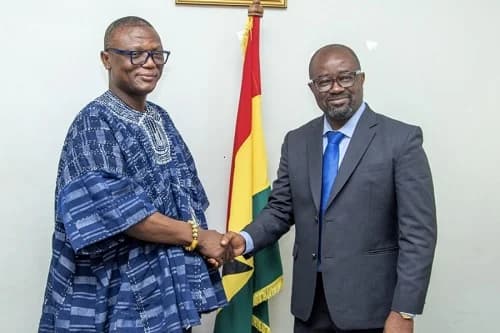
A lecturer at the University of Health and Allied Sciences (UHAS) has called for comprehensive reforms in the governance of Ghanaian football, citing weak accountability and a steady decline in performance. The assessment highlights a disconnect between administrative structures and the practical needs of the sport, warning that without significant changes, the industry faces long-term stagnation. The analysis suggests that the current governance framework is failing to deliver the transparency required to sustain public and corporate interest.
The report points to a recent meeting between the Ministry of Youth and Sports and the Ghana Football Association (GFA) as an example of narrow policy focus. While the discussions centered on coaching, they reportedly overlooked critical systemic pillars such as youth development and infrastructure. Furthermore, the exclusion of the National Sports Authority (NSA) from such high-level dialogues has raised significant concerns regarding institutional oversight and financial transparency within the sector.
To address these governance gaps, the academic analysis advocates for the implementation of independent audits and the diversification of sponsorship portfolios. By looking at successful football governance models in nations like Nigeria, South Africa, England, and Germany, the report suggests that Ghana could adopt best practices that prioritize fan engagement and sustainable investment. Such measures are seen as essential for restoring public trust and attracting new commercial partners to the national game.
The path forward requires a unified and coordinated strategy involving the GFA, the NSA, and the Ministry of Youth and Sports. Establishing a transparent framework is framed as a prerequisite for the overall health of the football business in the country. Experts believe that a more integrated approach will not only improve the commercial growth of the sport but also ensure that Ghana remains competitive on the international stage through better talent development and infrastructure management.

