••
UGMC Research Symposium Experts Call for ‘Bench to Bedside’ Translation to Transform Ghana’s Healthcare
•2 min read•2 sources
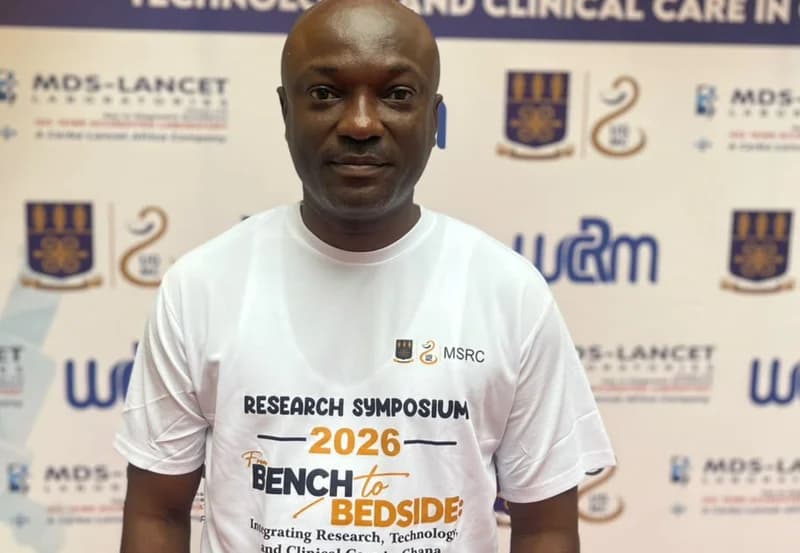
Medical experts at the University of Ghana Medical Centre (UGMC) Research Symposium have called for a deliberate and sustained pathway to translate scientific discoveries into practical healthcare solutions. Under the theme "From Bench to Bedside," the symposium brought together researchers and clinicians to address the disconnect between laboratory findings and patient care. The consensus among speakers was that while Ghana possesses highly capable scientists, the current health system requires more robust frameworks and strategic partnerships to ensure that research outcomes directly improve clinical outcomes for Ghanaians.
Prof. Charles Hayfron-Benjamin, the Director of the Medical and Scientific Research Centre at UGMC, emphasized that the journey from scientific inquiry to medical application is incomplete without rigorous validation. He highlighted that translating "bench" research into "bedside" care necessitates a structured process, including extensive clinical trials to verify the safety and efficacy of new interventions. Prof. Hayfron-Benjamin urged for enhanced collaboration between the government and private industry players to provide the necessary support and infrastructure that would facilitate the effective application of research findings in real-world healthcare settings.
Adding to the call for systemic change, Prof. Evelyn Yayra Bonney of the Noguchi Memorial Institute for Medical Research underscored the critical need for financial investment and capacity development. She pointed out that the location of UGMC’s research center within a hospital provides a unique advantage, allowing researchers direct access to patients to identify pressing health issues. However, Prof. Bonney warned that without consistent government funding and institutional support, Ghana faces a significant "brain drain," as skilled researchers may seek better opportunities abroad. She stressed that research outcomes should not remain localized to UGMC but should be scaled to benefit health facilities across the entire nation.
The symposium concluded with a charge to the scientific community to adopt a more inquisitive and impact-oriented approach to their work. By using ongoing studies to identify new research gaps and focusing on questions with real-world relevance, scientists can drive innovation that addresses Ghana's unique healthcare challenges. The overarching goal remains the creation of a self-sustaining research ecosystem that not only generates knowledge but also transforms that knowledge into life-saving medical practices and policies.
