••
National Resistance Movement rejects Muhoozi Kainerugaba as successor
•2 min read•1 source
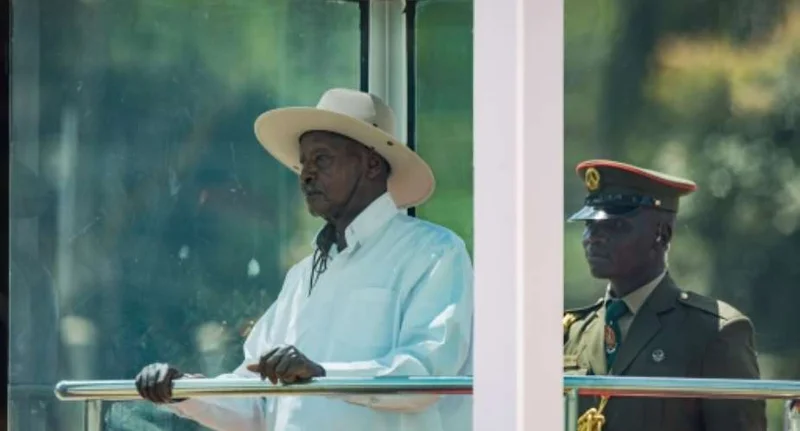
Uganda’s ruling National Resistance Movement (NRM) has rejected a proposal by President Yoweri Museveni to position his son, General Muhoozi Kainerugaba, as his preferred successor. The decision came during a recent NRM committee meeting where senior party members voiced significant opposition to the move, marking a rare instance of internal dissent against the long-serving president's succession plans. The committee reportedly moved to block a vote on Kainerugaba’s candidacy, effectively halting his formal endorsement by the party leadership.
Opponents within the NRM cited deep concerns over the army chief's public conduct, including a history of controversial social media posts and aggressive public statements directed at political rivals. Party officials expressed apprehension that Kainerugaba's overt military background and unpredictable rhetoric could destabilise the party’s standing and the country's political landscape. Several members argued that the potential transition of power must be handled with more transparency and institutional respect to ensure national stability.
NRM vice-chairman Calvin Echodu was among those offering critical feedback during the deliberations. He advised President Museveni to reconsider his son’s current trajectory, suggesting that Kainerugaba should focus on transitioning from his active military role to gaining civilian leadership experience before being considered for the presidency. This sentiment reflects a broader desire within the NRM to maintain established party structures rather than facilitating a direct dynastic transfer of power through the military hierarchy.
This internal pushback represents a significant hurdle for President Museveni, who has led Uganda since 1986. While Kainerugaba has been increasingly active in political mobilisation through his Patriotic League of Uganda (PLU) movement, the NRM’s refusal to endorse him suggests that the path to the presidency may not be as straightforward as the first family envisioned. The party's insistence on a more conventional transition process signals a potential shift in the internal power dynamics of Uganda's ruling elite.
