••
UENR Partners with Lancaster University on Research Excellence as UNIMAC-TEIN Faces Election Dispute
•2 min read•2 sources
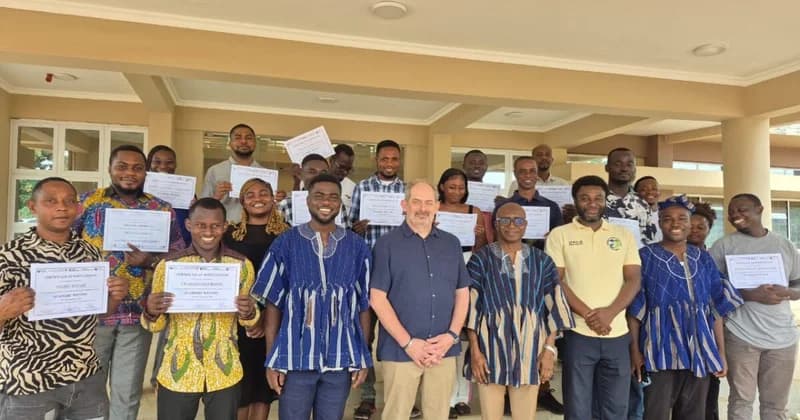
The University of Energy and Natural Resources (UENR) has taken a significant step toward enhancing academic excellence through a collaborative partnership with Lancaster University, even as student governance at the University of Media, Arts and Communication (UNIMAC) faces administrative hurdles. These contrasting developments highlight the diverse challenges and progress within Ghana's higher education landscape, ranging from international research capacity building to the complexities of internal student politics. On September 19 and 20, 2026, UENR hosted an intensive academic writing workshop designed to equip postgraduate students and researchers with global scholarly standards. Facilitated by Professor Kirk T. Semple and supported by senior faculty, the workshop focused on the intricacies of academic paper structures, research ethics, and publication strategies. This initiative serves as a cornerstone for the establishment of the Centre for Global Eco-Innovation at UENR, which aims to foster innovative solutions for regional environmental and sustainability issues through international collaboration. Simultaneously, the UNIMAC campus is dealing with a formal petition regarding the recent presidential election of the Tertiary Education Institutions Network (TEIN). Stephen Kenneth Nakujah, a member of the UNIMAC-TEIN branch, has petitioned regional executives to address the alleged withholding of election results. The petition raises questions about transparency and leadership within the student wing, calling for immediate intervention to ensure the integrity of the democratic process on campus. Together, these events reflect the dual priorities of modern Ghanaian universities: the pursuit of rigorous academic output and the maintenance of fair, transparent administrative processes. While UENR focuses on preparing the next generation of researchers for global impact, the situation at UNIMAC highlights the ongoing need for accountability in the organizational structures that support student life.
