••
University of Cape Coast launches Africa Centre for Food Integrity
•2 min read•1 source
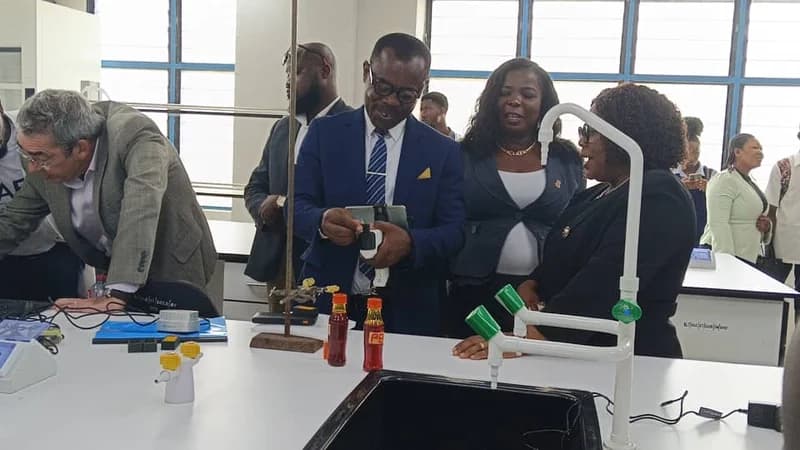
The University of Cape Coast (UCC) has officially inaugurated the Africa Centre for Food Integrity (AFIC), a specialized institution dedicated to addressing food safety challenges and combating the growing threat of food fraud across the African continent. This initiative represents a significant step in modernizing food quality oversight in Ghana, shifting the focus toward rapid, technology-driven solutions that can protect consumers more effectively than traditional methods. At the heart of the new center's operations is the development of AI-enabled mobile technologies designed for real-time food quality assessment. According to Rev. Prof. Ernest Teye, the lead for AFIC, the center aims to replace slow and often inaccessible traditional food testing processes with advanced digital tools. These innovations will allow for the immediate detection of adulterants and quality inconsistencies, providing a robust defense against food fraud which often compromises public health and economic stability. The center’s strategy involves extensive collaboration with national and international stakeholders, most notably Ghana's Food and Drugs Authority (FDA). By partnering with regulatory bodies and other universities, AFIC seeks to create a unified front against substandard food products. In addition to technical research, the center will play a crucial role in public outreach by educating consumers on how to recognize fraudulent food products, thereby increasing overall confidence in the region's food systems. Looking ahead, the University of Cape Coast views AFIC as an essential contributor to the global Sustainable Development Goals, particularly those related to health, well-being, and responsible production. By securing food integrity, the center aims to ensure long-term food security and sustainability for the continent. The establishment of this center marks a pivotal moment for UCC as it leads the way in integrating artificial intelligence into the essential field of public health and food science.