••
UCC-Based IEPA and CEGRAD Launch ‘Women Leading Change’ Initiative to Empower 1,000 Female Educators
•2 min read•1 source
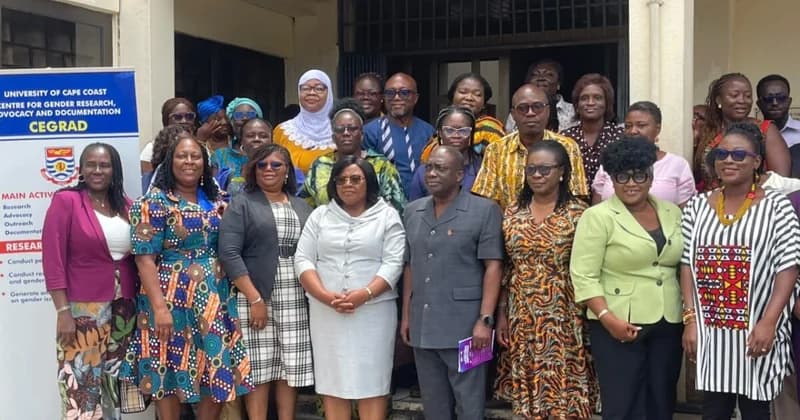
The Institute for Educational Planning and Administration (IEPA) and the Centre for Gender Research, Advocacy and Documentation (CEGRAD) have officially launched the "Women Leading Change in Africa" programme. This ambitious initiative, implemented in collaboration with UNESCO, is designed to equip 1,000 female educators and professionals across Ghana with essential digital skills and leadership training by the end of 2027. By focusing on bridging the digital and Artificial Intelligence (AI) competency gaps, the programme seeks to empower women to take up more significant roles in the country’s evolving educational landscape.
At the heart of the initiative is a commitment to overcoming the structural barriers that have historically hindered women’s progress in academia. Prof. Michael Boakye-Yiadom of the IEPA emphasized that high-level capacity building is critical for women to navigate the ongoing digital transformation effectively. The programme will provide free training through the International Institute of Online Education (IIOE) platform, offering micro-certifications that validate the digital proficiency and leadership readiness of participants. This digital-first approach is intended to meet the technological transitions currently reshaping higher education.
Inclusivity remains a central pillar of the project, as highlighted by Prof. Eunice Fay Amissah of CEGRAD. She noted that ensuring equal access to technology is vital to prevent the reproduction of existing social and professional inequalities. By providing female educators with the tools to master new technologies, the programme aims to foster a more equitable academic environment. The initiative also reflects on Africa’s rich tradition of female leadership, seeking to modernize these roles within the context of 21st-century educational demands.
Aligned with the United Nations Sustainable Development Goals, the "Women Leading Change in Africa" programme is expected to run through November 2027. Organizers are calling for active participation from the private sector and the government to support women’s advancement and sustain the momentum of this educational reform. As the programme rolls out its online and in-person training sessions, it stands as a significant step toward achieving gender equality in leadership and enhancing the overall quality of educational administration in Ghana.


