••
Uber and Wayve Partner to Launch London’s First Autonomous Robotaxi Service
•2 min read•1 source
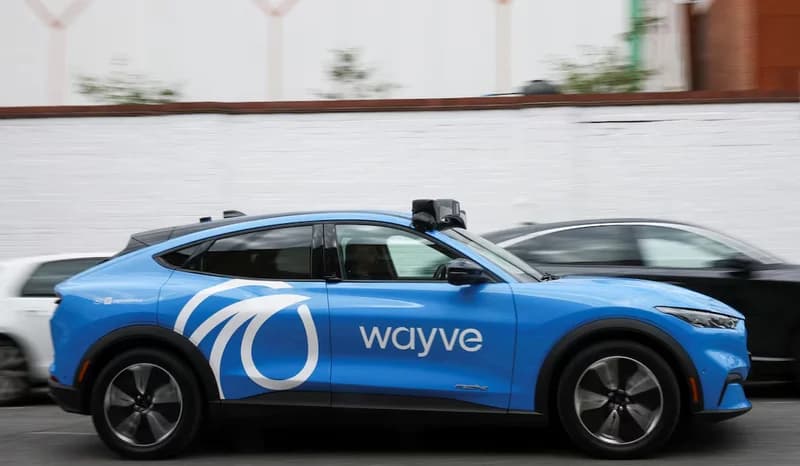
Uber has officially introduced autonomous vehicle services in London, marking a significant milestone for the United Kingdom's transportation landscape. Partnering with the British artificial intelligence firm Wayve, the ride-hailing giant has begun offering rides powered by cutting-edge autonomous technology. This launch makes London only the second European city to offer robotaxi services, following a similar rollout in Zagreb, Croatia. The initiative represents a major step in the integration of AI into urban mobility, positioning London as a primary hub for the testing and deployment of next-generation transport solutions.
The service utilizes the 'Wayve AI Driver' technology, which is integrated into a fleet of Ford Mustang Mach-E vehicles. While the technology is designed for autonomous navigation, the initial rollout includes a critical safety measure: every vehicle will have a licensed human operator present behind the wheel to intervene if necessary. Uber customers who request specific eligible services through the app may be matched with one of these Wayve-powered vehicles. Alex Kendall, CEO of Wayve, characterized the public introduction of the AI Driver as a pivotal moment for the company, aimed at proving the software's reliability in one of the world's most complex driving environments.
Beyond the technological showcase, the primary objective of this pilot program is to foster confidence among both the general public and government regulators. Despite the progress made by Uber and Wayve, fully driverless operations—where no human safety driver is present—remain on hold as the industry navigates various regulatory hurdles in the UK. This phased approach allows the partners to gather essential performance data and demonstrate the safety of their systems under real-world conditions before seeking the necessary approvals for a completely unmanned model.
This launch comes at a time of intensifying competition in the autonomous vehicle sector, as global tech firms and automotive manufacturers race to define the future of ride-hailing. By leveraging Wayve’s unique AI approach, which focuses on end-to-end machine learning to react to environments rather than relying on pre-installed digital maps, the partnership aims to overcome scalability issues that have challenged other self-driving projects. As Londoners begin to encounter these robotaxis on city streets, the industry will be watching closely to see if AI can successfully navigate the nuances of dense urban traffic safely and efficiently.