••
Tundu Lissu vows hunger strike over private access to lawyers
•2 min read•1 source
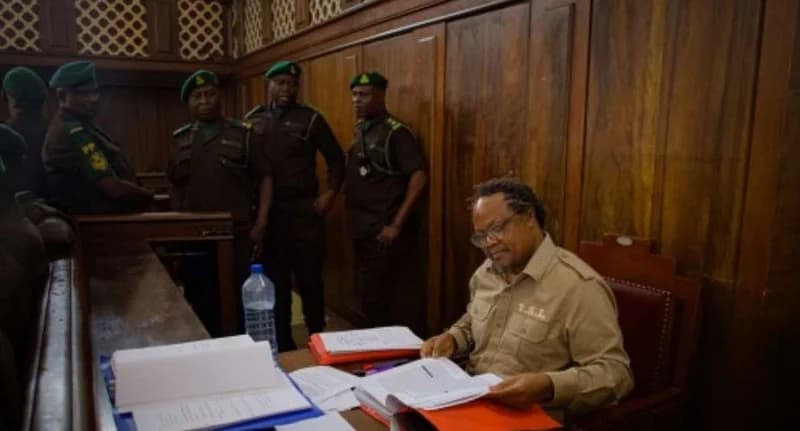
Tanzanian opposition leader Tundu Lissu has announced he will begin a hunger strike on October 26, 2026, to protest the denial of his right to private consultations with his legal team. The leader of the Chadema party, who is currently detained, stated that the action is a response to the authorities' refusal to respect a court ruling that affirmed his legal rights. Lissu’s legal team and supporters contend that the lack of privacy during meetings severely hampers his defense in an ongoing treason trial that many observers have labeled as politically motivated.
The dispute centers on the implementation of a specific judicial order that recognized Lissu’s right to meet privately with his lawyers. According to party officials and legal representatives, prison authorities have continued to defy this ruling, maintaining a presence during what should be confidential discussions. This situation has heightened concerns about the fairness of the judicial process, particularly as the court prepares to deliver a verdict on the treason charges.
Lissu’s trial is unfolding against a backdrop of increasing government pressure on political opponents in Tanzania. International human rights organizations and local critics have pointed to a pattern of crackdowns on opposition voices as the country moves closer to national elections. The verdict for the treason case is currently scheduled for November 6, adding a sense of urgency to Lissu’s protest and the broader legal struggle for his rights.
The hunger strike represents a significant escalation in the ongoing friction between the Tanzanian state and the primary opposition. As Lissu awaits the outcome of his trial, the international community continues to monitor the situation for signs of human rights violations or further erosion of democratic freedoms in the East African nation. The outcome of both the hunger strike and the upcoming verdict is expected to have deep implications for the future of political pluralism in Tanzania.