••
Felix Tshisekedi enacts law enabling DR Congo constitutional changes
•2 min read•1 source
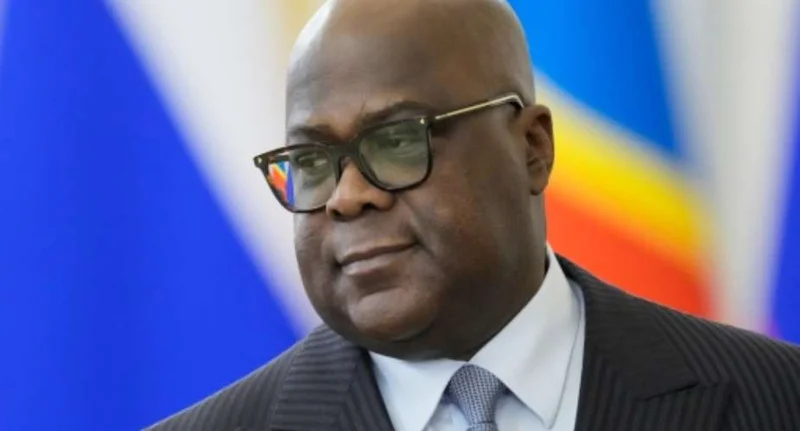
President Felix Tshisekedi has signed a law that streamlines the process for holding referendums, a move that paves the way for potential constitutional amendments in the Democratic Republic of Congo (DRC). This legislative step has immediately sparked intense criticism from opposition groups who argue the change is designed to facilitate a power grab. The new law makes it significantly easier for the government to call for a public vote on altering the nation's supreme law, raising the possibility that Tshisekedi could seek a third term in office before the 2028 general elections.
The political climate in the DRC has grown increasingly volatile following the enactment of the law. Opposition leaders, though previously fractured, have coalesced into a new coalition known as "C64" to coordinate resistance against what they term unconstitutional actions. These political tensions have spilled into the streets, with ongoing protests resulting in violent clashes between demonstrators and security forces. The opposition contends that any move to extend the presidential term limit would undermine the country's democratic progress and violate current constitutional protections.
The controversy unfolds against a backdrop of severe instability in the eastern DRC, where the Rwanda-backed M23 rebel group continues to wage a persistent insurgency. Adding to the tension is the re-emergence of former President Joseph Kabila, who has broken his silence to denounce the current administration. Kabila has publicly pledged to end what he describes as tyranny by any means necessary, a statement that has heightened fears of renewed internal conflict and political upheaval within the resource-rich nation.
As the DRC moves toward the 2028 election cycle, the legal framework for constitutional reform remains the central flashpoint of national politics. Critics warn that modifying the constitution could undo the hard-won progress toward peaceful transitions of power. While the government maintains that the changes are necessary for national governance and sovereignty, domestic observers and the international community are closely monitoring whether this legislative move will lead to a formal bid for an extended presidency or further destabilize an already fragile region.