••
President Trump Hosts Xi Jinping for Strategic Summit Amid Federal Court Order to Restore Media Access
•3 min read•13 sources
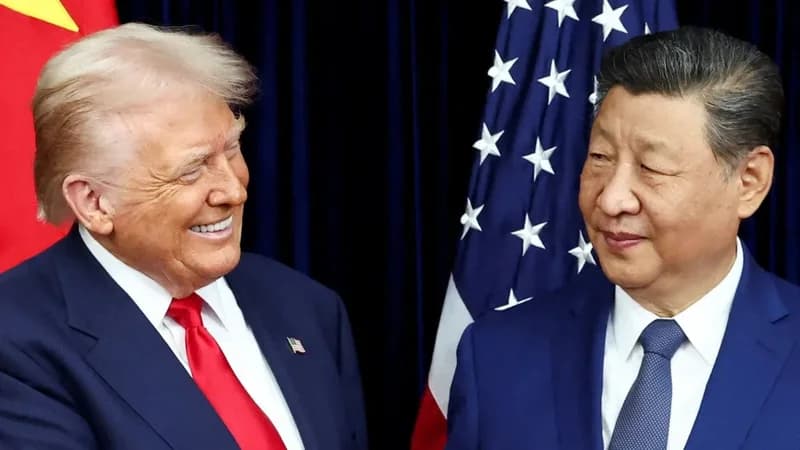
U.S. President Donald Trump is navigating a pivotal week of high-stakes international diplomacy and domestic legal challenges as he hosts Chinese leader Xi Jinping for a state visit while simultaneously facing a federal court order to restore media access. The summit in Washington, marked by a lavish military welcome and a red carpet, is Xi’s first visit to the U.S. in over a decade. It aims to maintain stability between the world’s two largest economies amidst ongoing tensions over trade, Taiwan, and the race for artificial intelligence supremacy. However, the diplomatic display is shadowed by a ruling from U.S. District Judge Tim Kelly, who mandated the immediate restoration of press passes for journalists from CNN, MS NOW, and Politico, calling the administration’s ban likely unconstitutional.
The competition for AI dominance has emerged as a central theme of the Trump-Xi discussions. President Trump has emphasized the strategic necessity of American leadership in AI, suggesting that the risks of the technology are outweighed by the importance of winning the global race. Meanwhile, China continues to prioritize the integration of AI into its domestic economy despite facing significant restrictions on technology imports. While the two leaders have agreed to extend a trade truce until January 10, analysts suggest that substantive policy breakthroughs regarding AI safety or military arms sales to Taiwan are unlikely. Both leaders are operating under the weight of domestic pressures; Trump is contending with inflation and declining approval ratings ahead of the midterm elections, while Xi faces a slowing economy and a property crisis.
The judicial intervention regarding White House access adds another layer of complexity to the administration’s current standing. Judge Kelly rejected the government’s national security justifications for banning specific news outlets, noting that the journalists were denied due process and that the ban appeared to be a response to the nature of their reporting. This legal setback for the White House is supported by a coalition of press freedom groups who argue that such punitive measures against the media threaten constitutional protections. As the administration prepares for the November 3 midterms, the ruling reinforces the judicial check on executive power at a time when the President is attempting to project a position of global strength.
Looking forward, the outcome of the Trump-Xi summit is expected to serve as a diplomatic placeholder rather than a definitive resolution to the trade war. While public sentiment in the U.S. has shown a growing preference for diplomatic engagement with China, the political landscape remains deeply divided over Chinese investments and business practices. The simultaneous pressure of international negotiations and domestic legal scrutiny highlights the precarious balance the Trump administration must maintain. The coming weeks will be critical as the 14-day court reprieve for journalists expires and the January deadline for the trade truce approaches, determining the trajectory of both U.S. media freedom and global economic relations.

