••
Donald Trump discusses AI with Xi Jinping during trilateral summit
•2 min read•1 source
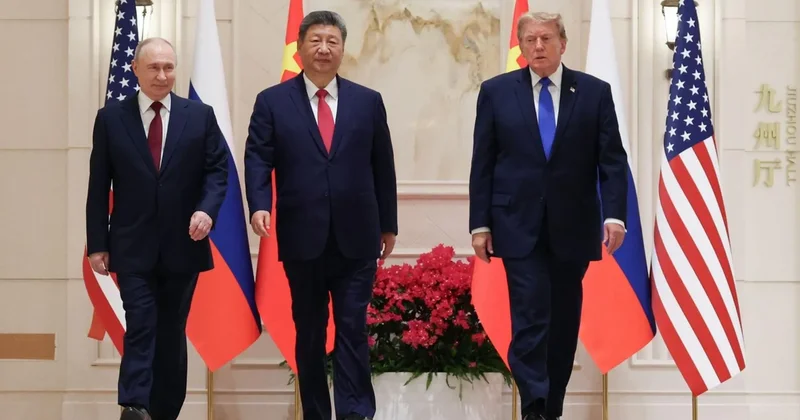
President Donald Trump has concluded a high-profile trilateral meeting with Chinese President Xi Jinping and Russian President Vladimir Putin during his diplomatic tour of Asia. The summit, which attracted significant international attention, resulted in a joint communique focused on strategic stability and the promotion of increased dialogue between the three world powers. However, despite the visual impact of the gathering, analysts have noted a lack of concrete policy breakthroughs or substantive commitments from the leaders involved.
During the discussions, President Trump highlighted specific areas of concern, including the development of artificial intelligence and the status of former Nvidia CEO Jensen Huang. While the White House has remained relatively quiet regarding the specifics of these conversations, Trump indicated that these topics were briefly touched upon during his direct engagement with the Chinese leader. The resulting joint statement remained broad, emphasizing a shared interest in maintaining global stability without outlining specific enforcement mechanisms or policy shifts.
The timing of the summit coincides with a period of political scrutiny for the Trump administration following recent midterm election losses. Observers suggest that the optics of the meeting were intended to project strength on the global stage, even as critics raise alarms about the erosion of traditional multilateral frameworks. There are growing concerns among security experts regarding how these direct trilateral engagements might impact the effectiveness of established international organizations and the long-term posture of U.S. foreign policy toward its primary strategic rivals.
As the Asia trip draws to a close, the focus shifts to whether the vague promises of dialogue will translate into meaningful cooperation on pressing global issues. With the communique providing only a skeletal framework for future engagement, the international community remains skeptical about the lasting impact of the event. For now, the summit appears to be characterized more by its symbolic spectacle than by any significant realignment of geopolitical interests.
