••
Trump Administration Overhauls Visa Policies and Consular Training, Impacting Ghanaian Applicants and Asylum Seekers
•2 min read•6 sources
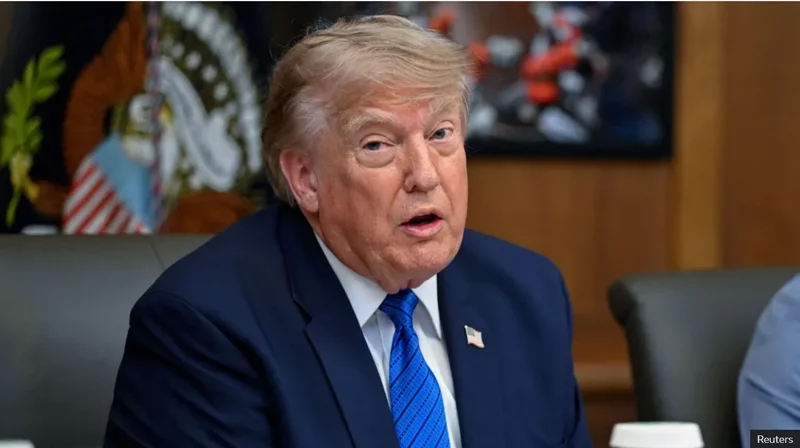
The United States government, under the Trump administration, has launched a comprehensive overhaul of its immigration and visa systems, headlined by an aggressive plan to revoke the nonimmigrant visas of up to 200,000 foreign nationals. The initiative specifically targets individuals who entered the U.S. on temporary business (B1) or tourist (B2) permits between 2016 and 2026 and subsequently applied for asylum. While officials at the State Department and the Department of Homeland Security argue that this measure is essential to maintain the integrity of travel documentation and prevent the misuse of the asylum system, the move has drawn sharp criticism from civil rights advocates. Critics warn that the policy could undermine due process and disproportionately harm vulnerable populations who utilized legal pathways to enter the country before seeking protection. Although visa revocation does not lead to immediate deportation for those with pending claims, it forces a significant legal re-categorization that complicates their status in the country. In Ghana, these policy shifts are being felt directly at the U.S. Embassy in Accra, which has joined other global consulates in pausing certain visa appointments. This suspension is intended to facilitate a new training program for consular officers aimed at enhancing their assessment and vetting capabilities. Affected applicants, particularly those seeking immigrant visas, are being notified that their appointments will be rescheduled as the administration prioritizes stricter immigration enforcement measures. These changes are compounded by a proposal to permanently implement a $103,265 fee for new H-1B skilled worker visas, a measure intended to curb program abuses despite ongoing legal challenges from business groups and state governments. Beyond immigration, the administration's assertive stance is reshaping broader international and domestic landscapes. In Africa, Massad Boulos, President Trump’s senior envoy, has called for the United Nations to extend its arms embargo to all of Sudan to address escalating drone strikes and a worsening humanitarian crisis. Domestically, the administration faces legal pushback as the state of Nevada recently sued to block a planned 21% reduction in water supplies from the Colorado River. Collectively, these actions signal a period of intensified executive focus on tightening borders, increasing the financial costs of legal migration, and exerting influence over regional conflicts and natural resource management.
