••
Trump Rejects Iranian Proposal to Reopen Strategic Strait of Hormuz, Asserting Total U.S. Control
•3 min read•3 sources
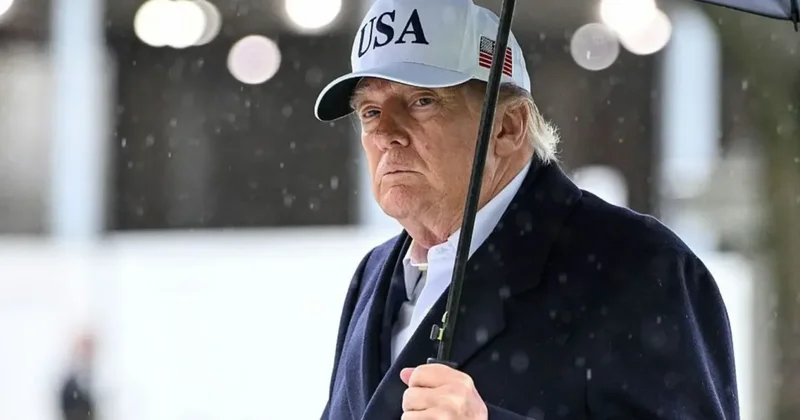
U.S. President Donald Trump has firmly rejected a proposal from Iran to reopen the Strait of Hormuz for commercial shipping within seven days, a move that deepens the diplomatic standoff between Washington and Tehran. Speaking from the White House, Trump dismissed the offer as "unacceptable," asserting that the United States maintains total control over the strategic waterway. The President characterized the Iranian proposal as a sign of desperation, suggesting that Tehran is seeking a deal to mitigate the heavy financial losses incurred since the strait’s closure following the outbreak of conflict in February. The closure of this critical shipping lane has significantly disrupted global energy and aviation markets, leading to volatile price fluctuations and heightened regional instability.
Iranian Foreign Minister Abbas Araghchi has responded by emphasizing that only a "negotiated solution" can resolve the ongoing crisis. Araghchi criticized what he described as contradictory statements from the U.S. administration, noting that Iran remains ready to restore normalcy if specific conditions—modeled after a previous memorandum of understanding signed in June—are met. Despite the public rejection, Iranian officials indicated they are awaiting a formal response from U.S. negotiators. The diplomatic efforts have been largely facilitated through indirect discussions mediated by Oman and Qatar, particularly on the sidelines of the UN General Assembly, where mediators have urged both nations to maintain open dialogue to prevent further escalation.
The U.S. administration’s defiant stance is bolstered by "Operation Economic Outcast," a campaign of aggressive sanctions designed to isolate Iran. While some economists have questioned the long-term effectiveness of these measures given China's continued trade with Tehran, U.S. officials maintain they feel no urgency to reach a settlement. Washington remains deeply skeptical of Iranian commitments and strategic motives. Furthermore, domestic political considerations are playing a significant role; President Trump has indicated that a substantive agreement may not materialize until after the U.S. congressional elections in November, as the administration prioritizes its current position of strength.
As the Strait of Hormuz remains effectively shuttered, the broader regional implications continue to grow. Tensions have spiked with Iranian-backed forces in Yemen, and the global energy supply remains under pressure. While Tehran insists that the conditions for reopening are clear and consistent with past diplomatic frameworks, the lack of mutual trust continues to hinder progress. For now, the strategic passage remains a central flashpoint in international relations, with both sides dug into their respective positions and the global community watching closely for any sign of a breakthrough in the mediated talks.