••
Donald Trump meets Qatari Prime Minister to discuss Iran mediation
•2 min read•2 sources
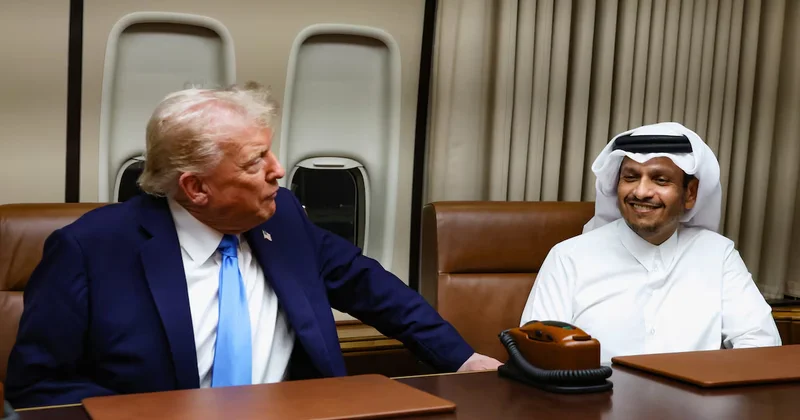
President Donald Trump is scheduled to meet with Qatar’s Prime Minister, Sheikh Mohammed bin Abdulrahman Al-Thani, at the White House on Monday to advance mediation efforts with Iran. The high-level meeting occurs as the United States seeks a diplomatic resolution to the long-standing impasse over Iran’s nuclear program, a process in which Qatar has served as a pivotal intermediary. While the Trump administration has expressed a preference for negotiations over military escalation, the sit-down comes amid reports of stagnant progress and heightened friction between Washington and Tehran.
During the upcoming discussions, the leaders are expected to address specific Iranian proposals regarding sanctions relief and war reparations. President Trump has recently criticized these demands as "unrealistic," a sentiment echoed by Secretary of State Marco Rubio, who described Iran’s current negotiating position as unacceptable. Despite these hurdles, the Qatari Prime Minister has affirmed his country’s ongoing commitment to facilitating the dialogue, emphasizing that mediation remains the most viable path to regional stability.
The diplomatic push is set against a backdrop of continued military readiness and maritime tension. President Trump indicated on Sunday that while he is "highly unlikely" to order new strikes if talks progress, the U.S. has already identified 38 strategic targets in Iran, including bridges, should negotiations fail. This warning follows the launch of "Task Force Iron Gate," a U.S. initiative aimed at restricting Iranian weapon movements, and recent reported clashes between military forces in the Strait of Hormuz.
The White House meeting represents a critical attempt to break the diplomatic deadlock before tensions escalate further. For Qatar, the talks are an opportunity to solidify its role as a regional peacebroker, while for the Trump administration, the focus remains on securing a nuclear agreement that addresses U.S. security concerns without yielding to Tehran's current financial demands. The outcome of these discussions will likely determine the trajectory of U.S. foreign policy in the Middle East for the coming months.