••
Donald Trump issues posthumous pardon for baseball legend Pete Rose
•2 min read•1 source
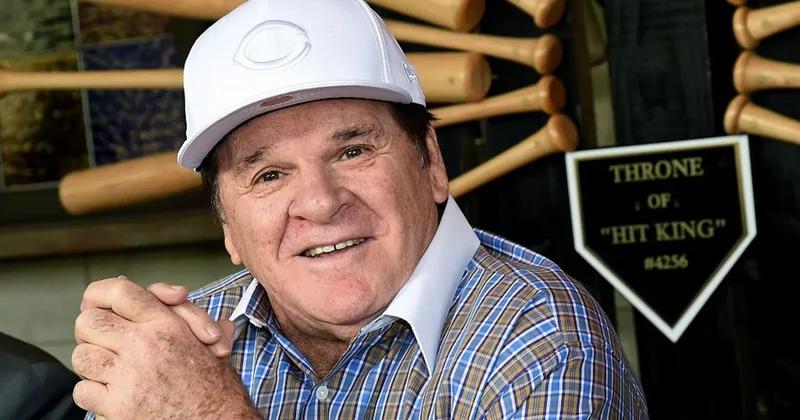
United States President Donald Trump has issued a posthumous pardon to Pete Rose, the Major League Baseball (MLB) legend who passed away in 2024. Rose, widely regarded as one of the greatest hitters in the history of the sport, spent decades in exile from professional baseball due to a lifetime ban related to gambling violations. The presidential pardon serves as a significant, albeit symbolic, gesture of recognition for a player whose on-field achievements were long overshadowed by off-field controversies and his subsequent exclusion from the sport's highest honors.
Pete Rose remains the all-time leader in MLB hits with a career total of 4,256, a record that has stood for nearly four decades. Despite his unmatched performance on the diamond, he was banned from the sport in 1989 after an investigation revealed he had bet on baseball games while serving as the manager of the Cincinnati Reds. This lifetime ban effectively barred him from induction into the National Baseball Hall of Fame, a point of contention that persisted throughout the remainder of his life and became a frequent topic of public debate.
President Trump has been a long-standing advocate for Rose’s reinstatement, frequently calling for the league to honor his sporting legacy. In his announcement, the President criticized MLB leadership for failing to induct the "Hit King" while he was still alive. It is noteworthy that MLB had officially reinstated Rose earlier in 2024, a move that cleared the path for potential Hall of Fame eligibility just months before his death. The presidential pardon reinforces the administration's stance that Rose’s athletic contributions deserved formal validation despite his personal failings.
While the pardon does not legally compel the Hall of Fame—which is a private entity—to admit Rose, it adds considerable weight to the ongoing debate regarding his legacy. Supporters of the hitter hope this executive action will finally persuade voters and baseball officials to separate Rose's gambling infractions from his historic athletic contributions. For now, the pardon stands as a final chapter in the complex relationship between one of baseball’s most polarizing figures and the American executive branch.