••
Donald Trump signs order designating Oval Office as national monument
•2 min read•2 sources
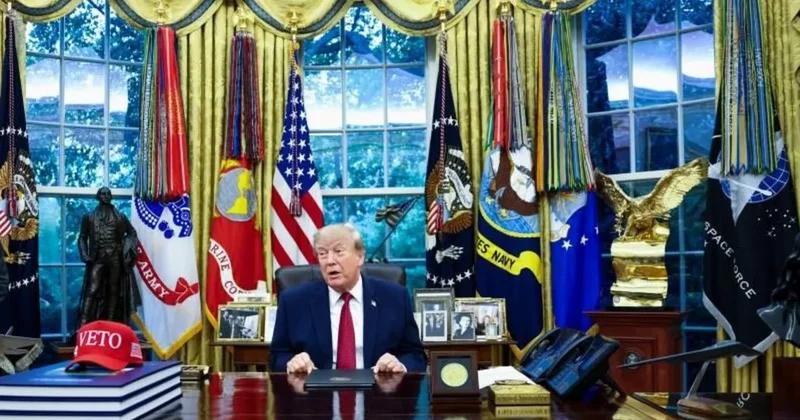
United States President Donald Trump has signed an executive order designating the Oval Office and several surrounding rooms as a national monument. This move is intended to preserve the historical integrity of the office and limit the ability of future presidents to make significant cosmetic or structural changes to the space. The order marks a rare use of executive authority to protect the interior of the White House as a permanent historic site. The designation covers the iconic workspace along with adjacent rooms, placing them under specific federal protections. While the order permits certain minor modifications to meet the operational needs of future administrations, it restricts any actions that would fundamentally impair the monument's historic character. Trump framed the decision as a commitment to maintaining the traditions of the presidency, ensuring that the office remains a symbol of American history for future generations. The move has drawn significant scrutiny from legal experts and political critics. Opponents point to the Trump administration's own extensive renovations, including substantial alterations to the East Wing and the Oval Office itself, as a sign of inconsistency. Furthermore, experts have questioned the legal binding of the order, suggesting that its impact might be symbolic rather than a permanent legal barrier to future presidents who wish to redecorate or renovate their workspace. This development highlights an ongoing tension between executive power and the preservation of national heritage. While the executive order seeks to codify the current state of the Oval Office, its long-term viability remains uncertain as legal scholars debate whether a president can effectively bind their successors in this manner. For now, the Oval Office stands as a newly minted national monument, reflecting a unique effort to institutionalize the physical environment of the US presidency.