••
Donald Trump lifts 50% tariffs on Canadian paper and plywood
•2 min read•1 source
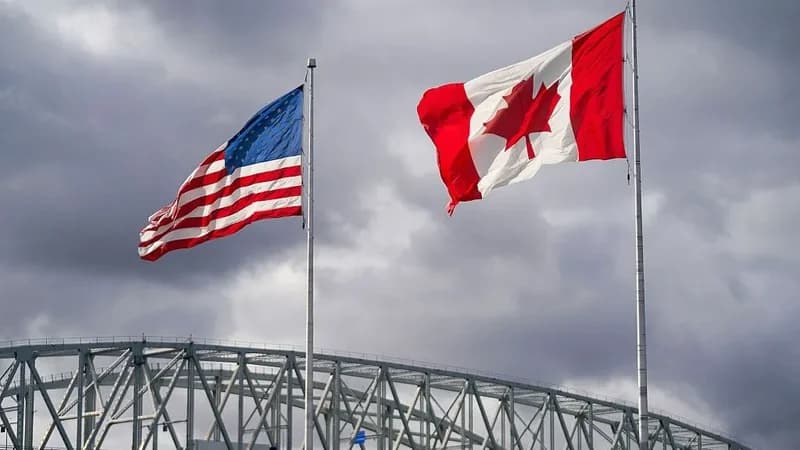
The Trump administration has announced the removal of 50% tariffs on several categories of Canadian imports, effective October 30, 2026. This policy shift focuses on specific goods such as plywood, paper products, and machinery, providing relief to sectors that have been under pressure since the duties were first implemented earlier this year. The exemptions represent a targeted easing of trade restrictions that have impacted various industrial supply chains.
The decision to ease these trade barriers follows significant lobbying efforts from Republican Senator Susan Collins of Maine. Senator Collins advocated for the exemptions by highlighting the specific advantages for the agricultural and industrial sectors in her home state, which rely heavily on cross-border trade for materials and equipment. She emphasized that removing these financial hurdles would support local businesses and stabilize the costs of critical industrial inputs.
These tariffs were originally imposed in August 2026 after trade negotiations between the United States and Canada failed to reach a resolution. In response to the initial 50% duties, the Canadian government had implemented its own set of countermeasures, targeting various American exports. The current easing of tariffs marks a notable de-escalation in the trade tension between the two North American neighbors, though the relief is currently limited to the specified list of commodities.
The timing of the announcement has drawn scrutiny as the United States approaches its midterm elections. While Senator Collins has pledged to continue her efforts to secure additional tariff relief for more sectors, her Democratic challenger has criticized the move as a politically motivated gesture aimed at influencing voters in key districts. Despite the political debate, industry leaders in Maine and other border states are expected to welcome the reduction in costs for essential timber and paper products.
