••
President Trump’s Ireland Visit Commences as Ukraine Faces Deadly Strike and Hong Kong Silences Dissent
•3 min read•6 sources
President Donald Trump has arrived in Ireland for a high-stakes two-day visit, triggering what An Garda Síochána describes as one of the largest security and policing operations in the nation’s history. With over 10,000 gardaí deployed on 12-hour shifts, the operation underscores the intense atmosphere surrounding the visit, which includes scheduled meetings with Irish President Catherine Connolly and Taoiseach Micheál Martin. The President’s itinerary features stops at Phoenix Park in Dublin and the Irish Open at the Trump International Golf Links in Doonbeg, County Clare. While local residents in Doonbeg have reported a relaxed atmosphere, extensive traffic restrictions and heightened security protocols remain in place at Dublin and Shannon airports to manage anticipated protests and public access.
This diplomatic mission takes place against a backdrop of devastating violence in Eastern Europe, where a Russian drone strike on a busy shopping mall in Pavlohrad, Ukraine, has left five people dead and 67 others wounded, including eight children. Ukrainian President Volodymyr Zelensky has condemned the daylight assault as a calculated tactic of coercion aimed at forcing concessions through terror. The strike is part of a growing pattern of urban destruction targeting commercial centers, with similar recent attacks reported in Zaporizhzhia and Sumy. In a reciprocal escalation, drone strikes have also been reported in Russian-controlled areas, including Sochi, complicating already stalled diplomatic efforts to resolve the protracted conflict.
The global political climate is further strained by a significant crackdown on dissent in Hong Kong, where three prominent pro-democracy activists—Lee Cheuk-yan, Chow Hang-tung, and Albert Ho—were recently sentenced to prison terms ranging from five to seven years. Convicted under the controversial National Security Law for organizing vigils to commemorate the 1989 Tiananmen Square protests, the activists’ sentences have drawn sharp rebukes from the United Nations and various human rights organizations. Critics argue the rulings represent a definitive blow to Hong Kong’s autonomy and an effort to erase historical memory, while authorities maintain the law is essential for regional stability.
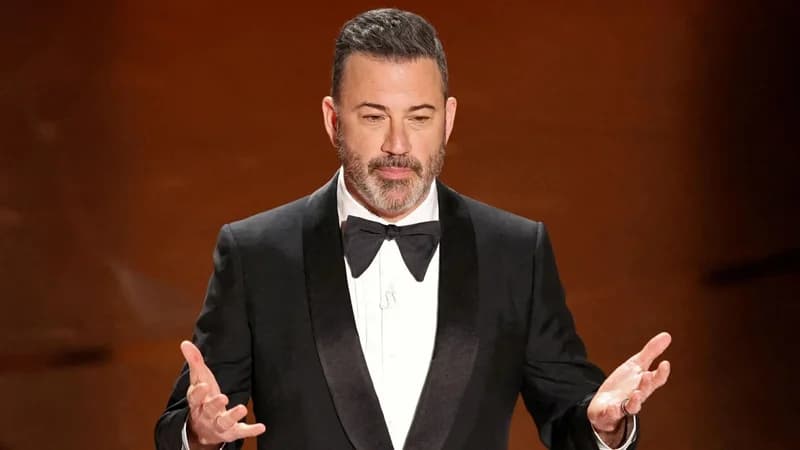
Tensions between media and state power have also surfaced in the United States, where television host Jimmy Kimmel announced that a scheduled interview with Democratic Senate candidate James Talarico was pulled from broadcast following perceived pressure from the FCC. Kimmel cited editorial interference and threats to local affiliates, though White House spokespeople have denied any such intimidation occurred. This media friction coincides with the international premiere of the documentary "NAZA" at the Venice Film Festival. The film, which received a record 25-minute ovation, utilizes testimonies from whistleblowers to expose the use of AI in mass civilian killings in Gaza, further intensifying the global conversation regarding the ethics of modern warfare.
As President Trump navigates his engagements in Ireland, these interconnected events highlight a world grappling with the intersection of state security, the erosion of civil liberties, and the human cost of technological warfare. From the village of Doonbeg to the courtrooms of Hong Kong and the frontlines of Ukraine, the current political landscape is defined by a struggle between institutional control and the persistent demand for accountability. The outcomes of these diplomatic visits and legal battles will likely shape the international order as 2025 progresses, posing significant challenges for leaders navigating an increasingly volatile global stage.