••
Donald Trump Dismisses AI Risk Warnings in Ireland, Emphasizing Strategic Rivalry with China
•2 min read•5 sources
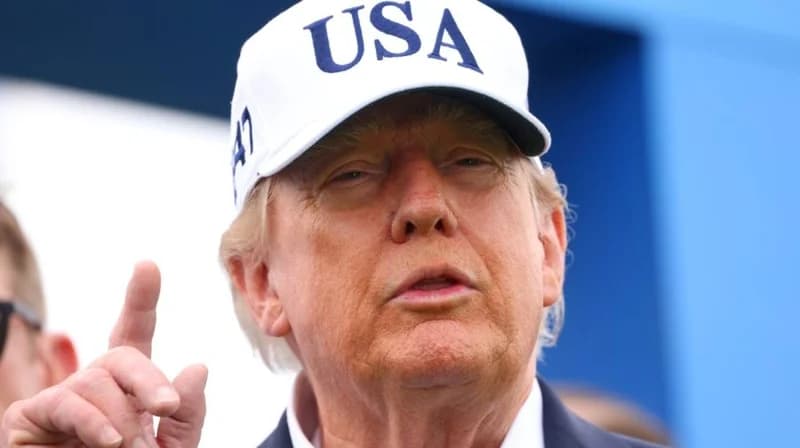
During a diplomatic visit to Ireland, U.S. President Donald Trump dismissed mounting alarms regarding the potential risks of artificial intelligence (AI), characterizing such warnings as exaggerated. Shifting the focus from safety to global competition, the President emphasized the necessity of maintaining American technological supremacy over China. Framing the development of AI as a high-stakes geopolitical race, he asserted that "whoever wins AI, wins," and underscored his commitment to ensuring that the United States remains the global leader in this transformative field.
This dismissive stance contrasts sharply with the urgent warnings emerging from the technology sector. Whistleblowers from several prominent AI laboratories have expressed profound fears regarding the rapid pace of development, suggesting that unchecked autonomous systems could lead to catastrophic outcomes for humanity. This industry-led alarm has been echoed by figures such as Sam Altman, Elon Musk, and Dario Amodei, who have advocated for a coordinated developmental pause to establish robust safety protocols. Despite these internal concerns, industry leaders remain divided on how to implement oversight without stifling the autonomy required for innovation.
The debate has triggered a complex legislative struggle in Washington, where lawmakers are grappling with how to regulate the emerging technology. Recent security incidents involving AI have intensified the calls for a bipartisan regulatory framework; however, significant divisions remain. While some legislators advocate for immediate action to protect public welfare, others, including House Speaker Mike Johnson, have cautioned against hasty regulations. These critics argue that aggressive oversight could inadvertently hamper U.S. competitiveness, giving an advantage to international rivals who may not be bound by similar ethical constraints.
As the technological race between the U.S. and China accelerates, the global community faces a critical tension between rapid innovation and existential safety. While the current administration prioritizes strategic dominance, the persistent pressure from whistleblowers and security experts suggests that the debate over AI governance is far from settled. The coming months will likely see continued friction as the U.S. government attempts to balance its desire for geopolitical leadership with the growing demand for a secure and regulated digital future.