••
Donald Trump cancels livestream of Fort Hood shooter’s execution
•2 min read•2 sources
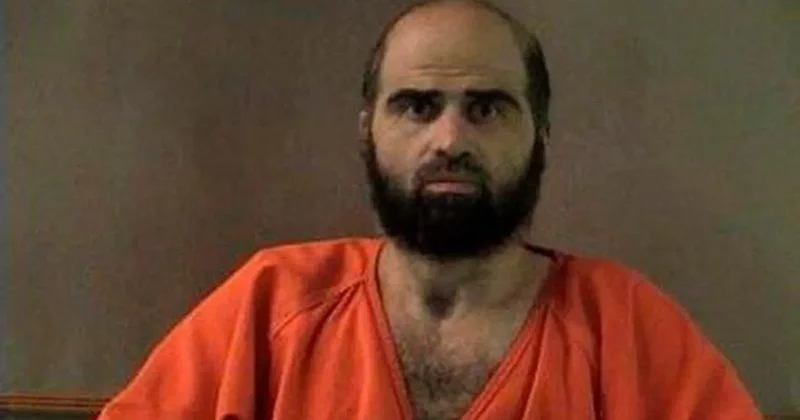
United States President Donald Trump has reversed a controversial plan to livestream the upcoming execution of Nidal Hasan, the former military psychiatrist responsible for the 2009 mass shooting at Fort Hood. While the execution remains scheduled to be carried out by a firing squad on December 3, 2026, the President announced on Truth Social that the broadcast component has been cancelled. This decision follows significant backlash from international bodies and domestic advocacy groups, marking a pivot in the handling of what will be the first U.S. Army execution in more than 60 years.
The initial proposal to broadcast the execution drew sharp criticism from the United Nations and various human rights organisations, who described the plan as "abhorrent." Public sentiment in the United States also showed strong opposition, with polls indicating that 80% of American adults were against the livestream. The Pentagon has confirmed its alignment with the President’s revised directive, noting that the original plan was highly controversial and potentially in violation of existing military regulations regarding the privacy and dignity of judicial proceedings.
Despite the cancellation of the public broadcast, the families of Hasan’s victims will still be permitted to attend the execution in person. President Trump emphasised that the survivors and relatives of the 13 people killed in the 2009 attack deserve to witness justice firsthand. In his announcement, the President also expressed his ongoing support for capital punishment in the case, while mentioning he had not previously been aware that Hasan is currently paralysed. The use of a firing squad, a method not used by the U.S. Army since the mid-20th century, underscores the gravity of the crimes committed.
The case has reignited a broader national debate over the transparency of the military justice system and the ethics of state-sanctioned executions. By removing the livestreaming element, the administration has returned to more traditional protocols for capital punishment, even as the method of execution remains a point of intense public interest. As the December 2026 date approaches, legal experts suggest the case will continue to serve as a significant touchstone for discussions on military law and the application of the death penalty in the modern era.