••
Donald Trump proposes 20% baseline tariffs on China and EU imports
•2 min read•1 source
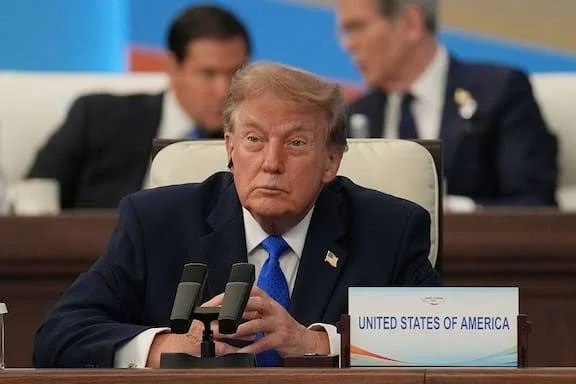
The administration of Donald Trump has announced a sweeping proposal for new trade tariffs targeting China, the European Union, and 12 other major trading partners. This move follows a federal investigation into foreign manufacturing subsidies and signals a significant escalation in the administration's protectionist trade agenda. Under the current proposal, China faces a baseline duty of 20%, while imports from the EU could see tariffs starting at 15% if existing trade agreements are found to be breached.
The proposed tariff structure includes provisions for rates to fluctuate based on the progress of trade negotiations. For Chinese goods, the baseline 20% duty could potentially rise to 40% depending on the outcome of future discussions. Similarly, the 15% rate for the EU is subject to an increase to 20% under specific conditions. Despite the broad nature of the plan, the administration has identified certain exemptions, notably for energy products and specific types of semiconductors, in an effort to protect critical supply chains.
International and domestic reactions to the announcement have been swift and largely critical. Chinese officials have already refuted the administration's claims regarding manufacturing overcapacity, while European representatives are reviewing the legality of the move under current trade laws. Within the United States, the proposal has met with skepticism even from some Republican lawmakers, who have expressed concerns that the duties could drive up inflation and harm American industries that rely on imported raw materials and components.
The proposed tariffs will not take effect immediately, as the administration must first undergo a mandatory public comment period. This process allows businesses and stakeholders to submit feedback on the potential economic impact of the duties. Barring any significant legal delays or policy reversals, the new tariff regime is expected to be implemented as early as January 2026, setting the stage for a period of intense global trade volatility.