••
Donald Trump admits immigration crackdown was too tough
•2 min read•1 source
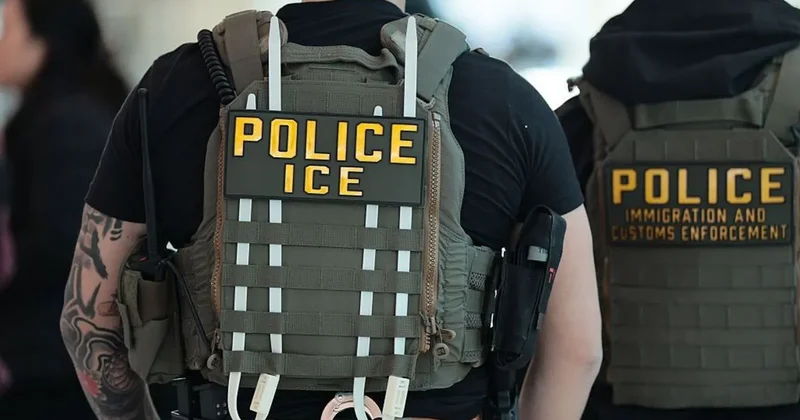
United States President Donald Trump has acknowledged that his administration's aggressive immigration enforcement measures may have been "too tough," contributing to the Republican Party's performance in the recent midterm elections. Speaking in a post-election interview, Trump admitted that the hardline approach to deportations likely alienated key demographics, particularly Latino voters, who shifted their support toward the Democratic Party in significant numbers. This shift in rhetoric marks a rare moment of introspection for the President, who has made immigration a cornerstone of his political platform since his 2016 campaign.
The President's admission comes as the Republican Party analyzes its losses across several key states and districts. While Trump praised his administration's efforts in reducing illegal border crossings, he conceded that the optics and execution of aggressive deportation policies had a negative political impact. Despite these remarks, the Department of Homeland Security continues to maintain its strict stance on border enforcement and illegal crossings, suggesting a disconnect between the President's public reflection and the agency's operational directives.
Further complicating the administration's stance is the recent promotion of Stephen Miller, a senior advisor known as a primary architect of the most restrictive immigration policies. This move indicates a continued commitment to a hardline approach, despite the President's recognition of its political cost. As the political landscape shifts following the midterms, the debate over immigration is expected to remain a central point of contention, with the administration balancing its core policy objectives against the need to regain support from alienated voter blocs.