••
TraffiTech-GH reduces road fatalities during pilot phase
•2 min read•1 source
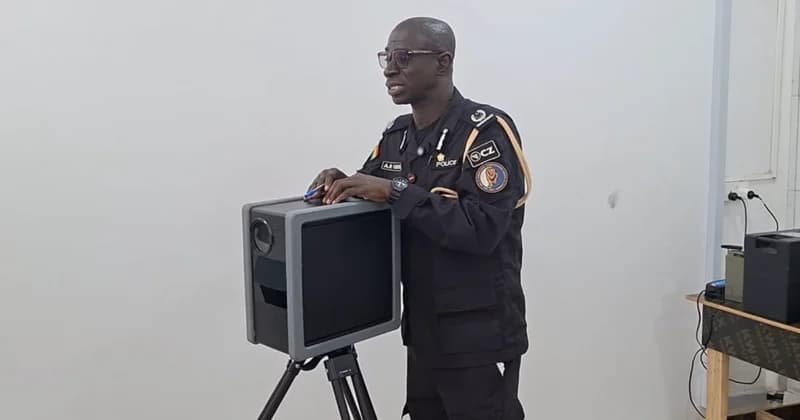
The Ghana Police Service’s digital traffic enforcement system, TraffiTech-GH, has recorded a notable decrease in road crashes and fatalities during its pilot phase. Authorities have confirmed that the program, which integrates advanced technology to monitor driving behavior, will officially transition to full-scale operations on November 1, 2026. The pilot phase provided critical data on the efficacy of automated enforcement in curbing traffic violations across monitored zones.
According to statistics released by Police Sergeant Yussif Braimah, the period from September 2025 to September 2026 saw a measurable improvement in road safety metrics. Total recorded crashes fell from 1,108 to 1,003, while the number of injuries sustained in road accidents dropped from 1,405 to 1,194. Most significantly, road fatalities decreased from 243 to 224 over the twelve-month period. These figures suggest that the presence of digital monitoring has a tangible impact on reducing the severity and frequency of road incidents.
The TraffiTech-GH initiative utilizes a network of cameras and digital sensors to detect violations such as speeding and running red lights. Unlike traditional manual enforcement, the system automatically captures traffic offenses and generates warning notices sent to vehicle owners. This approach is designed to promote compliance with traffic regulations and encourage safer driving habits through consistent, non-intrusive monitoring. The pilot extension allowed the police to refine the technology while increasing public awareness about the upcoming full implementation.
As the program moves toward its nationwide launch in November, officials emphasize that the primary goal is behavioral change rather than punitive measures. By automating the detection of offenses, the Ghana Police Service aims to create a more efficient enforcement environment that reduces the reliance on physical checkpoints. The full rollout is expected to further stabilize road safety figures as more drivers become accustomed to the digital surveillance framework.