••
TraffiTech-GH launches nationwide to automate traffic enforcement
•3 min read•9 sources
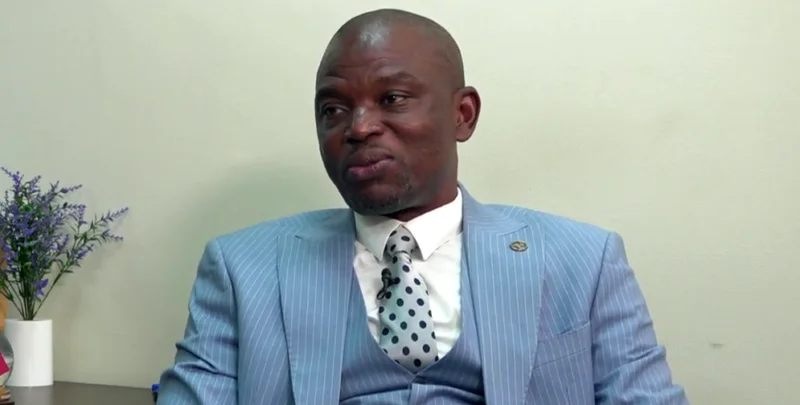
The TraffiTech-GH automated traffic regulation system has officially commenced nationwide operations following a six-month pilot phase and a targeted public education campaign. Launched fully on November 1, 2026, the electronic enforcement initiative aims to reduce Ghana’s road fatalities by utilizing technology to identify and penalize violations, primarily speeding. The transition marks a significant shift from manual policing to a digital framework designed to ensure 24-hour monitoring of major transit corridors and enhance overall road discipline.
Advocates of the policy, including Member of Parliament for Wa West Peter Lanchene Toobu, have described the rollout as a long-overdue advancement in the transport sector. Dr. Nana Yaw Mireku, an international relations expert, lauded the initiative as one of the government’s most impactful policies, emphasizing that effective governance is defined by life-saving measures rather than just physical infrastructure. The system’s launch followed a pilot period from May to October, which officials say allowed motorists to adapt to the new technology before enforcement began ahead of the high-traffic festive season.
Despite its safety objectives, the project has sparked debate regarding its financial structure and revenue-sharing model. Concerns have been raised by Fiifi Boafo, former Director of Public Affairs at COCOBOD, regarding an arrangement where 60% of traffic fines are allocated to the government and 40% to private investors. Boafo questioned whether the system prioritizes profit over safety, arguing that a focus on revenue could undermine the goal of preventing violations. Sharif Mahmud Khalid, Economic Advisor to the Office of the Vice President, similarly cautioned that viewing the system as a revenue tool could derail its primary mission of improving road safety.
Operational and legal challenges have also been highlighted by civil society and legislators. Bright Simons, Honorary Vice President of IMANI Africa, warned that the enforcement framework might lack sufficient legal backing and could be prone to abuse, especially regarding camera ownership and the accuracy of vehicle registration data. Additionally, MP for Sissala East Issah Bataglia noted that the system faces identification hurdles with motorcycles, proposing that special high-visibility number plates be introduced to ensure riders who violate traffic rules can be accurately captured by the automated cameras.
As TraffiTech-GH becomes a permanent fixture on Ghanaian roads, the government faces the task of balancing technological efficiency with transparency. While the system promises to alleviate the burden on human traffic officers, its long-term success will likely depend on addressing the legal concerns raised by critics and ensuring that generated revenue is reinvested into safety infrastructure. For now, motorists are being urged to strictly adhere to speed limits and traffic signals as the system begins issuing automated penalties nationwide.
gbcghanaonline.com
PrimarypoliticsTraffiTech-GH: Motorcycles need special number plates for easy identification – Bataglia
modernghana.com
politicsTraffiTech Long Overdue, Motorists Should Not Panic – Peter Toobu
myjoyonline.com
politicsTraffiTech-GH: Viewing enforcement as revenue tool derails road safety efforts - Sharif Khalid
myjoyonline.com
politicsTraffitech must not become government revenue tool at motorists’ expense - Fiifi Boafo
myjoyonline.com
politicsWas TrafficTech-GH designed to raise revenue for gov't? - Fiifi Boafo questions 60% share of fines
myjoyonline.com
politicsBright Simons questions TraffiTech-GH’s enforcement framework, warns of camera abuse and unlawful penalties
citinewsroom.com
politicsTraffiTech one of Ghana’s best policies – Dr Mireku
citinewsroom.com
politicsTraffiTech should have been rolled out years ago - Toobu
modernghana.com
politicsTraffiTech Among Government's Most Impactful Policies, Says Dr Mireku