••
Ministry of Trade targets 150,000 jobs under new textile policy
•2 min read•1 source
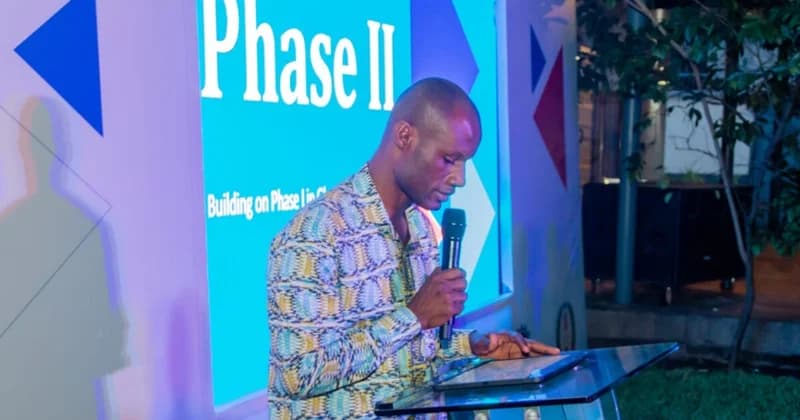
Ghana's Ministry of Trade is preparing to launch an ambitious new textile and garment policy aimed at transforming the nation's industrial landscape over the next decade. The strategy seeks to attract approximately $1.2 billion in foreign and domestic investment while creating 150,000 new jobs. This initiative represents a comprehensive effort to revitalize a sector that the government views as a critical engine for economic growth and employment.
The policy outlines a clear roadmap to expand the textile industry’s market value from its current $400 million to a projected $2 billion by 2035. To support this growth, the Ministry of Trade plans to revive domestic cotton production, targeting the cultivation of 50,000 hectares of land. George Amoah, a Director at the Ministry of Trade, emphasized that achieving these targets will require a robust focus on building productive systems and developing a highly skilled workforce capable of meeting international standards.
International collaboration plays a central role in the new strategy, with the International Labour Organization (ILO) providing technical support through its productivity programs. ILO representatives have stressed that for the policy to be successful, Ghana must adopt an integrated approach that enhances both productivity and working conditions. By aligning industrial targets with international labor standards, the government aims to position Ghanaian textiles as a competitive and ethical choice in the global market.
This decade-long strategy is expected to significantly reduce Ghana's reliance on imported fabrics and finished garments. By strengthening the entire value chain—from primary cotton farming to high-end garment manufacturing—the Ministry of Trade intends to create a sustainable industrial ecosystem. The successful implementation of the policy would not only boost non-traditional exports but also provide long-term economic stability and career paths for thousands of young Ghanaians.

