••
Torgbiga Wenya III Rejects Anlo Paramountcy Elevations as Traditional Authorities Seek Administrative Reforms
•2 min read•2 sources
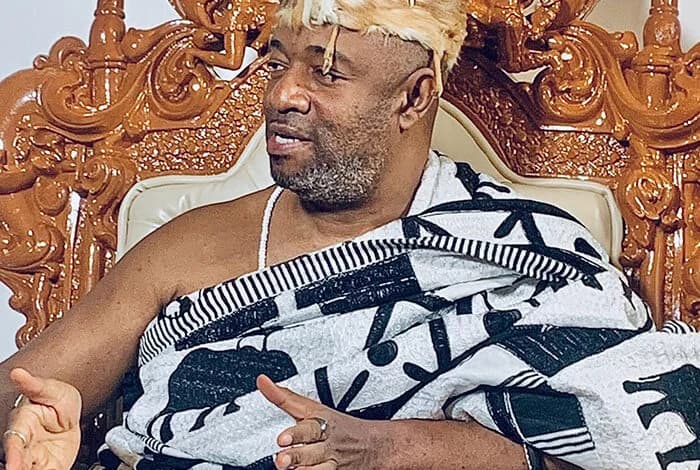
Torgbiga Wenya III, the Dutor of the Anlo Dukor, has sparked a significant debate within the Anlo State by publicly opposing a proposal by the Awoamefia, Torgbi Sri III, to elevate 36 settlements to paramount status. This internal friction highlights growing tensions over traditional governance structures and the preservation of historical hierarchy. Torgbiga Wenya III, supported by the Council of Elders of the Loafe Clan, argues that the proposed elevations lack legitimacy and threaten to undermine the established authority that governs the kingdom. The move has prompted calls for a reassessment of how traditional leadership roles are expanded and maintained.
The opposition centers on claims that the Awoamefia lacks the unilateral authority to create new paramountcies, as many of the targeted chiefs already serve under existing traditional jurisdictions. In a formal communique, Wenya III alleged that the proposal is being driven by associates of the Awoamefia who are reportedly exploiting the leader’s declining health for their own interests. Consequently, Wenya has directed an immediate cessation of the elevation plans and suggested the appointment of a Regent to manage the Awoamefia’s duties temporarily. This measure is intended to ensure stability and prevent potential chaos or divisions that could arise from such a drastic change in the kingdom's governance.
While the Anlo State grapples with these internal structural disputes, other traditional leaders are focusing on administrative reforms to strengthen their domains. In the Ga State, the Ga Mantse, Nii Tackie Tsuru II, has urged all paramountcies to establish Customary Land Secretariats. Speaking at the inauguration of the Sempe Stool Customary Land Secretariat, the Ga Mantse emphasized that these secretariats are crucial for enhancing land management and minimizing the frequent disputes that plague customary land administration. He noted that these structures are vital for the successful implementation of the Land Act, 2020 (Act 1036).
These developments reflect a broader period of transition for Ghana’s traditional authorities as they navigate both internal power dynamics and modern legal requirements. While the Ga State moves toward formalized land administration to protect communal assets, the Anlo State remains focused on resolving fundamental questions of hierarchy and succession. Both situations underscore the critical role traditional leaders play in regional stability and the necessity of clear, transparent governance within Ghana's traditional kingdoms.